Showing posts with label Canterbury. Show all posts

Monday, February 29, 2016

February 2016: Around the City

February 2016 Hibiscus

Time for Emily P Freeman's What We Learned in... again; here's my February 2016 edition that's closer to what I did than it is to what I learned.

grand park downtown los angeles
Grand Park in downtown Los Angeles on a sunny winter Thursday


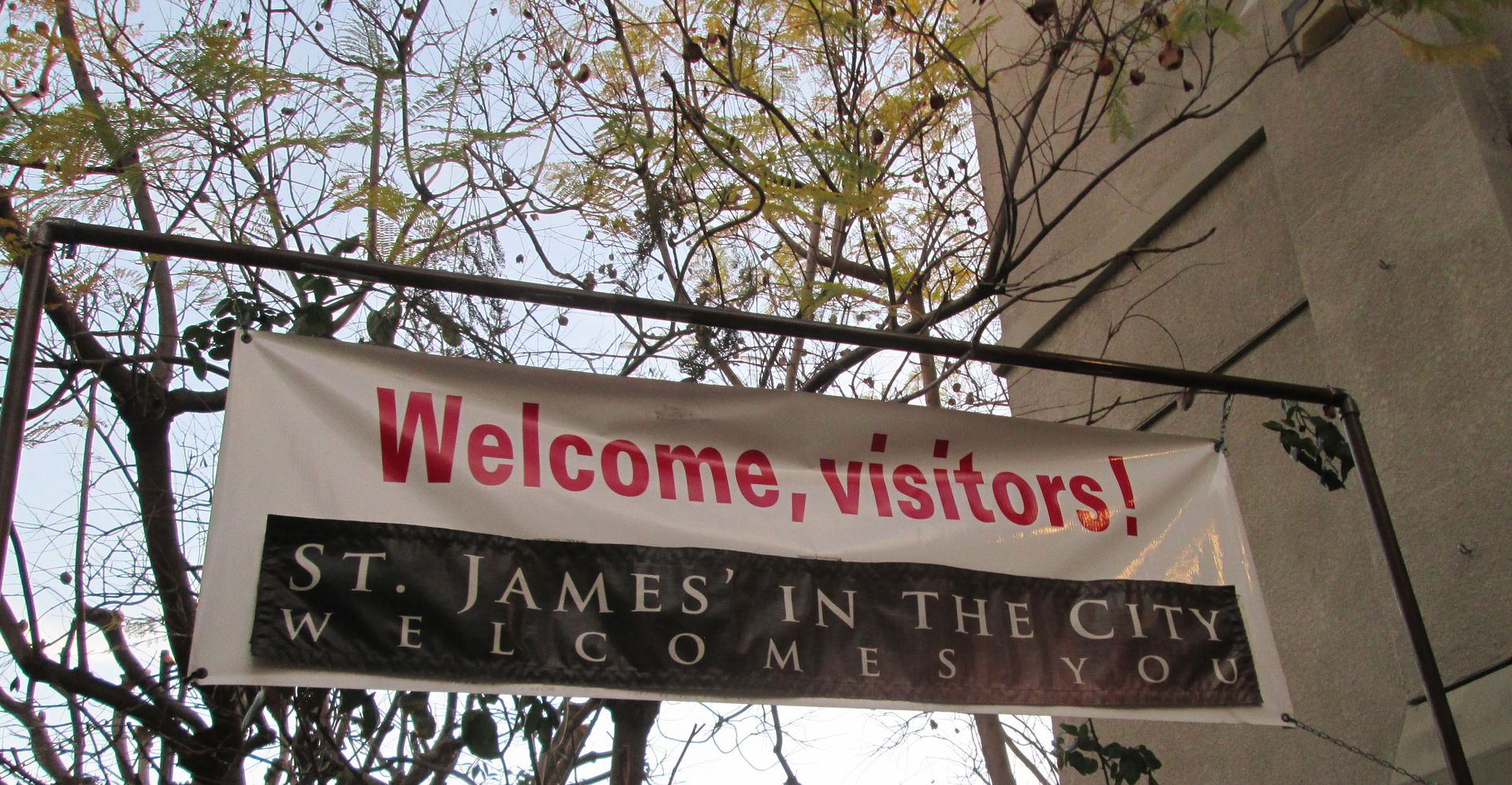
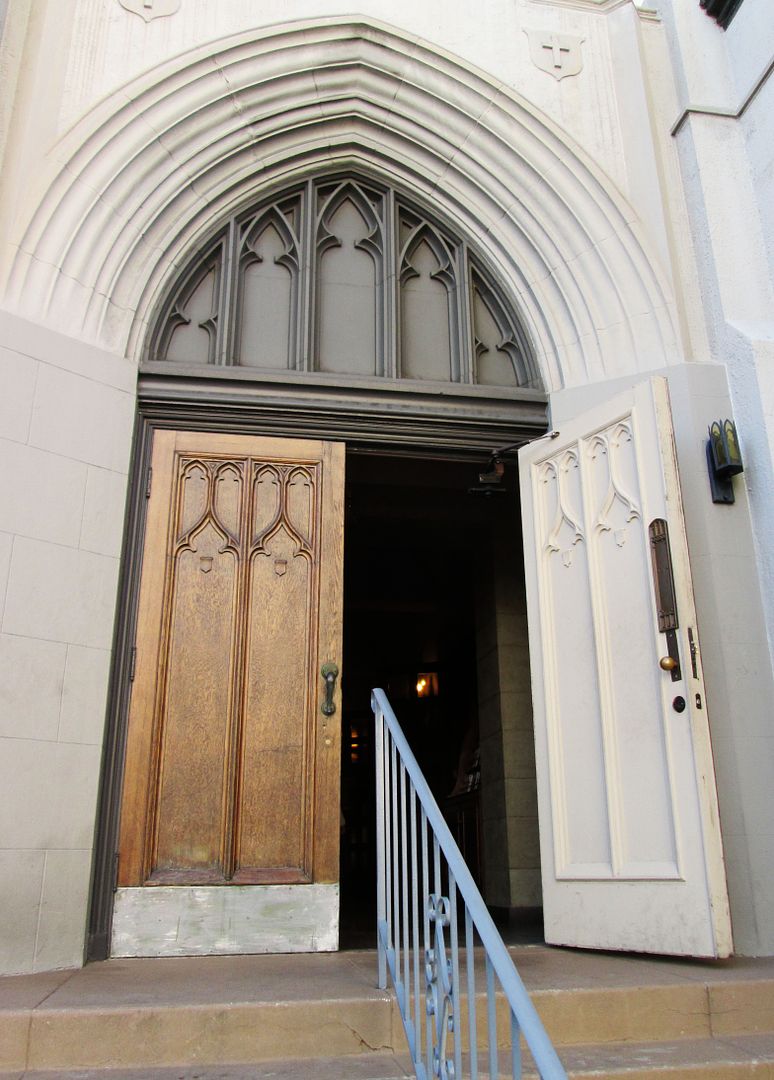
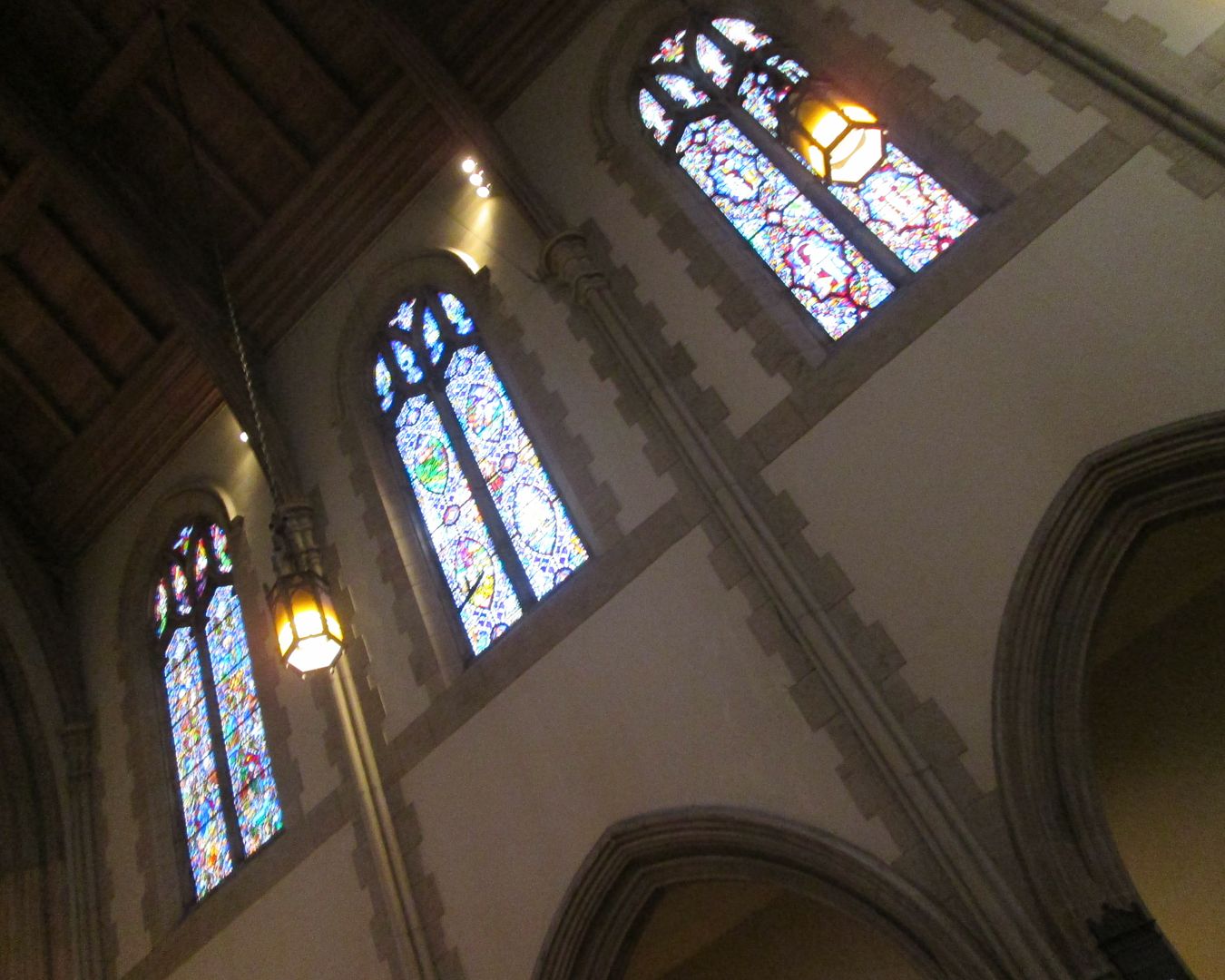
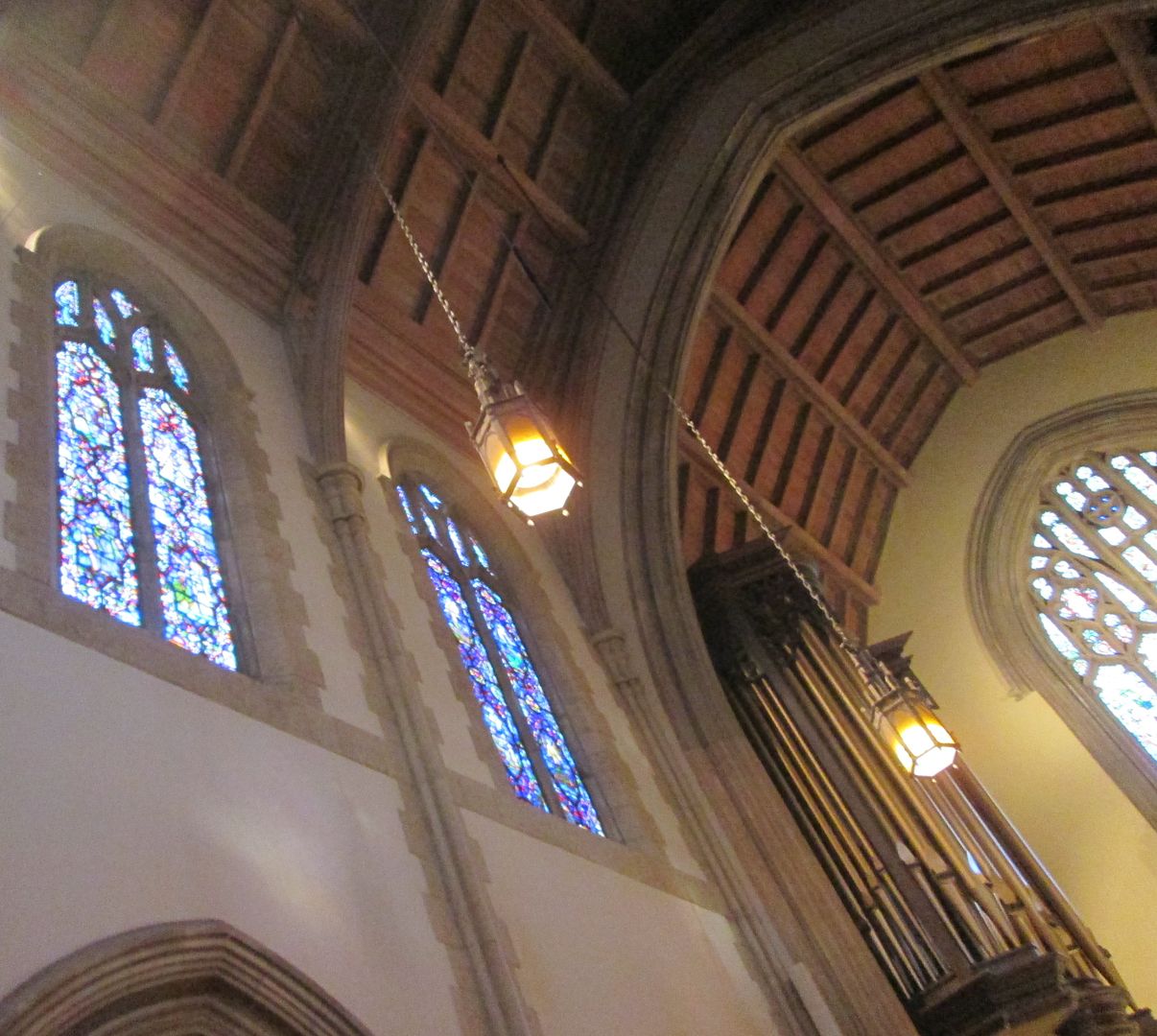
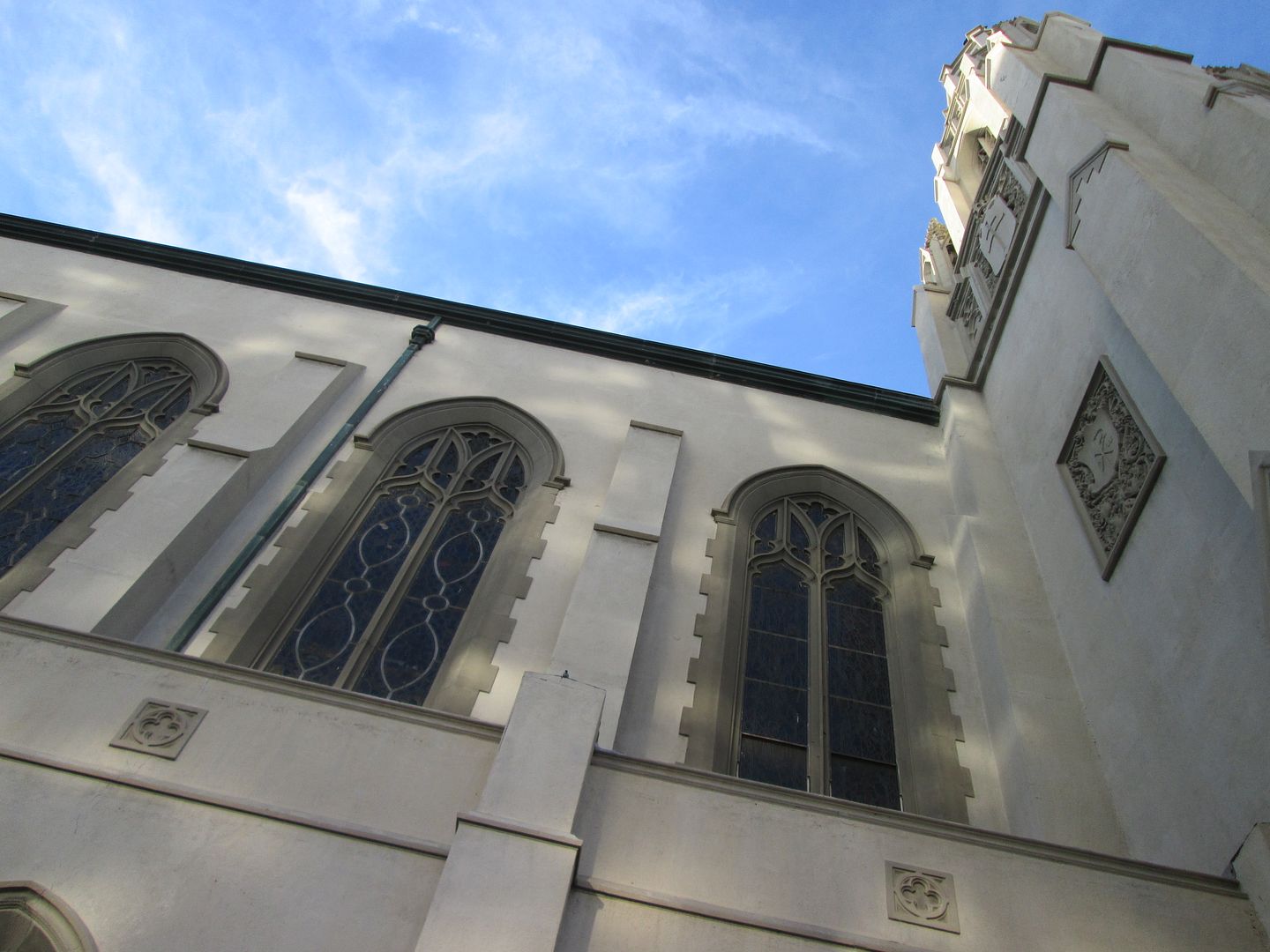
St James in the City
Second Sunday Evensong on Lent 1 at Saint James In The City (On Wilshire). Continuing to reconcile with, maybe become more open to and excited about spending time on the Canterbury Trail.


Hollywood transit
North Hollywood subway station. My arrangement features Morris Fuller Benton's organic, retro, art deco Hobo typeface that like the subway tile's a type of blast from the past.


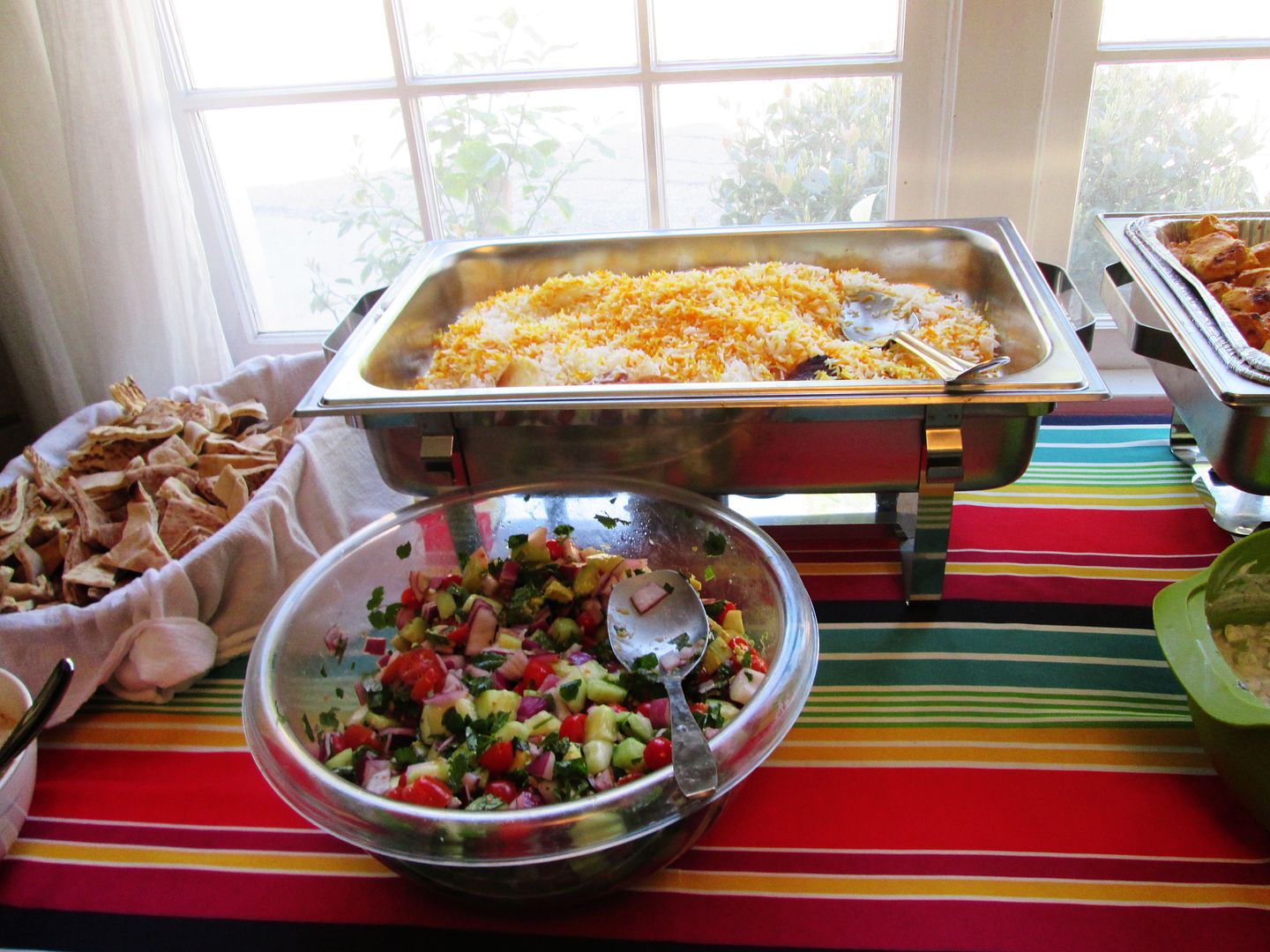
Porsche in the dealership window along Santa Monica Blvd lent 2 brunch table
Sunday, Lent 2: Porsche car dealership, Persian food on the post-liturgy brunch table.


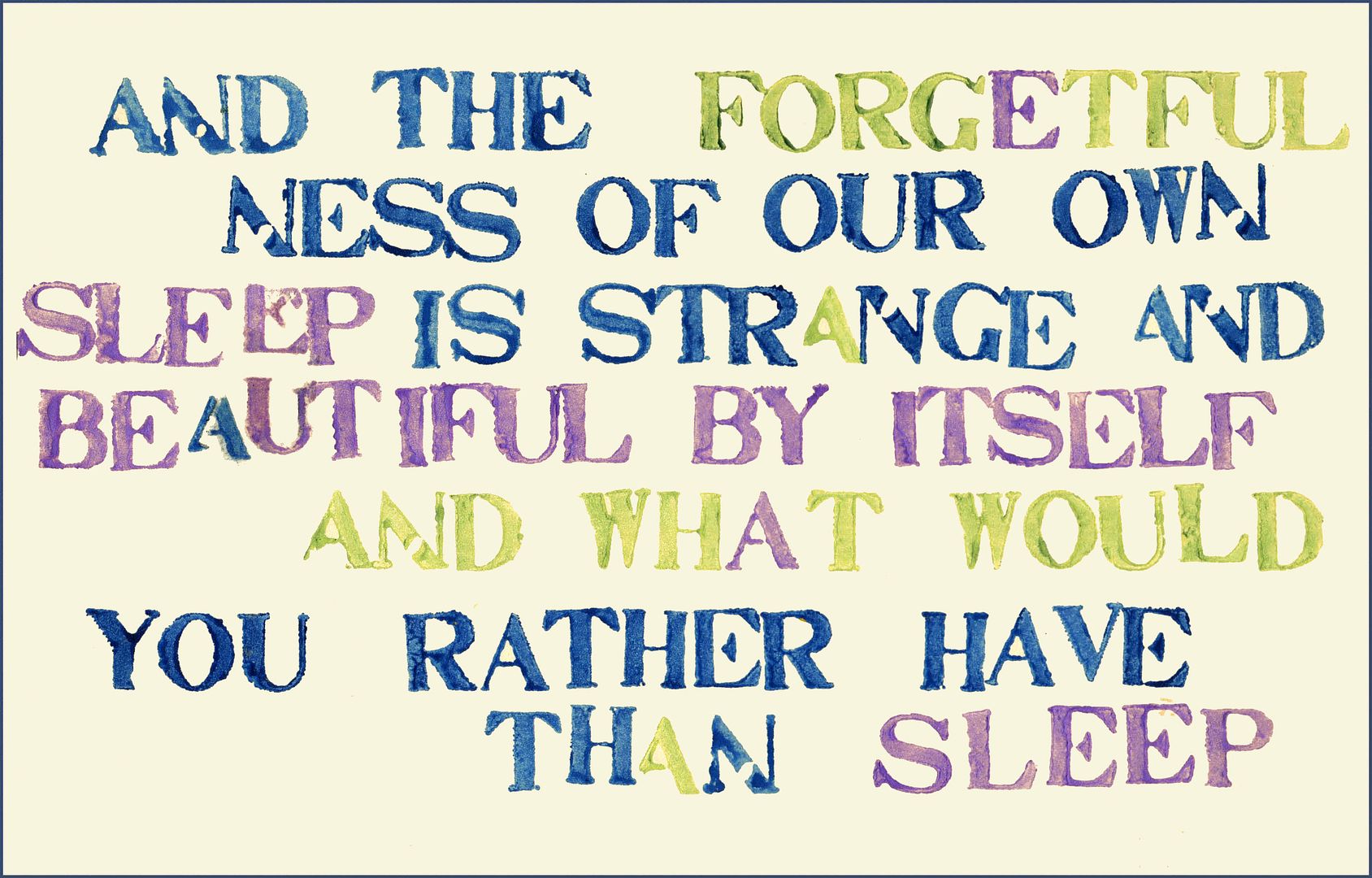
sleep stamp 2015
I'm still doing my best to be more responsive to nature, especially in the amount of sleep I get. Need sleep? I'd rather not, but often I do.

from Carl Sandburg's Honey and Salt:
"and the forgetfulness of our own sleep
is strange and beautiful by itself
and sometimes in its shifting shapes
the world is a cradle dedicated to sleep
and what would you rather have than sleep?"

Coffee Bean & Tea Leaf Logo
29% off on leap day
29% off on leap day

Afternoon visit to CB&TL after 12 noon on Monday 29 February for a 29% discount on a large Hazelnut Ice Blended® with whole milk and topped with whipped cream, while I made reasonable inroads into my latest review book from Amazon Vine. The CB&TL Leap Day discount's effective from noon through closing at all locations.

emily p freeman Feb 2016 button

Friday, September 24, 2010

sing once pray twice friday 5

we who sing pray twice 5 hosted by Mary Beth. I could write a separate blog on each of these 5 questions, but for today short answers will do.

1) Do you like to sing/listen to others sing? In worship, or on your own (or not at all?)

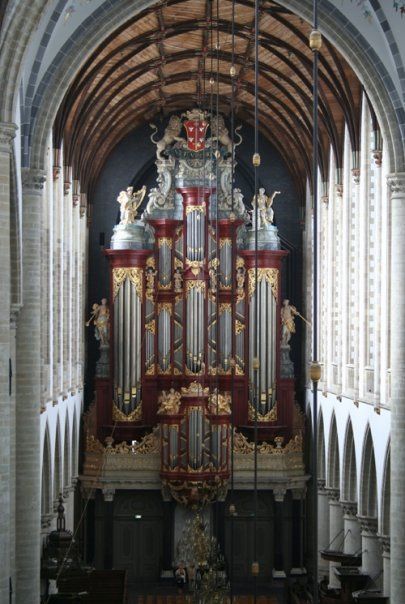
St Bavo organI love love LOVE leading worship from organ or piano! I have artist's diplomas in piano from Tanglewood and in organ from the International Summer Academy for Organists in Haarlem. Although I have perfect pitch and an okay voice and can sight read anything, I'm not a singer so maybe that's particularly why I love the sound of an outstanding choir as the aspect of music I'd much rather listen to than participate in, though with everything keyboards I'm the opposite.

This is a photo of the Christian Müller organ at St. Bavokerk in Haarlem, a.k.a. "The Reformed St. Bavo," since there's also a Roman Catholic St. Bavo.

2) Did you grow up with music in worship, or come to it later in life? Tell us about it, and how that has changed in your experience.

I didn't grow up in the church, but I lived in a house with a piano and taught myself first to play by ear and then eventually to read notes before starting formal piano lessons around 9th grade. First becoming acquainted with music in worship during college probably qualifies sort of as "later in life!" Having been a musician of some sort since around 4th or 5th grade when I first started playing (not to mention earlier experiences of listening) has made me very fussy and highly discriminating, though I try my best not to be negative about people's best efforts.

3) Some people find worship incomplete without music; others would just as soon not have it. Where do you fall?

Probably because of my own musical backgrounds and abilities, although I love well-presented music and beautifully sung liturgy, if it's not of a fairly high caliber I'd rather have a spoken service. I have fond memories (okay, mixed feelings, since it was one of my zillion plus attempts to reconcile some with Canterbury) of a couple year's worth of BCP Holy Communion Rite 1 at Vacation Parish in affluent Vacation Ville.

4) Do you prefer traditional music in worship, or contemporary? That can mean many different things!

I'll get beyond real for a touch of ideal: probably no 19th century hymnody, organ music or organ construction whatsoever and I do not care for chant of any type (Gregorian, Anglican, Taizé...). So let's have one each of a traditional hymn such as "Praise to the Lord, the Almighty, the King of Creation" (Lobe den Herren); a psalm from the Genevan Psalter; a 20th century specialty like "I Am the Bread of Life" that crashes boundaries between traditional, contemporary and praise; an actual praise song... how about Hillsongs "Shout to the Lord?!" And by the way, for reasons of theology, politics and language I'm more than fine with Lord but prefer not to use King, but also prefer not to tweak the original poetry out of its original shape, even when leaving the intent.

I didn't mention organ or other keyboard music, choir or instrumental offerings or possible liturgical settings, but I have opinions about those, too.

5) What's your go-to music ... when you need solace or want to express joy? A video/recording will garner bonus points!

Go-to-music... beyond Beethoven Symphonies Nos. 1, 2, 4 and 7? Roy Harris, Symphony No. 3 and a lot of songs that have been top-40 hits or close to that number. Martin Page, House of Stone and Light; Bruce Springsteen, The Rising; Jewel Kilcher, Absence of Fear; Huey Lewis and the News, The Power of Love; Dire Straits, Walk of Life... you get the idea!

Thanks so much, MaryBeth!

Saturday, November 04, 2006

Methodist Blog

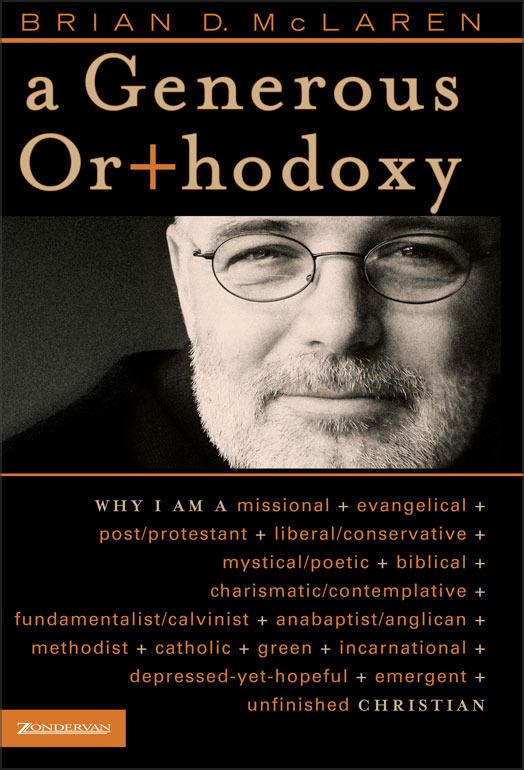
Brian McLaren writes primarily about the Wesleyan (holiness, too? not in this chapter) movement that started as an Anglican offshoot and its then subsequent offshoots; I'll begin my Methodist Blog with my own experiences within today's American United Methodist Church and its antecedent denoms.

A Generous Orthodoxy: Why I am a missional, evangelical, post/protestant, liberal/conservative, mystical/poetic, biblical, charismatic/contemplative,...emergent, unfinished... by Brian McLaren on Amazon

A Generous Orthodoxy coverAges ago I spent my first undergrad stint at Boston University, nominally Methodist (Methodist hymnals in the chapel pews, and BU 's divinity school, referred to as STH for School of Theology, officially is a UMC-affiliated seminary). However, in reality BU is a large, pretty much secular urban school, despite a lot of students attending on Methodist Scholarships and even aspiring to high degrees of holiness.

When I lived in the Intermountain West, I sort of attended a small local UMC for a while and also became pianist for a Tongan UMC, splintered off from another Tongan UMC that practiced glossolalia. Last winter in my Book of Daniel blog (these days I'm not linking to much of anything, though probably at some point I should go back with live links, esp to books and blogs) I mentioned a few of the large number of church bodies, denoms and groups and factions that once had trod the Canterbury Trail, including, of course, the Wesleyan-Methodist movement. Apparently I had a great- or great-great-uncle who was a circuit rider, so he probably was Methodist, despite his biological relative, my grandfather, insisting on being Southern Presbyterian. BTW though, some of my readers likely know about Henry (Heinrich?) Muhlenberg, a renowned Lutheran circuit rider, quite surprising since denoms of continental European origin were under- to almost non-represented as Protestant Christianity moved westward.

Then again, in Tucson on Christmas Eve 2005 I attended the late in the day liturgy at a UMC and oh, would I ever love the Artist in Residence position the keyboard person at that church holds! From everything I could figure out, the church wasn't especially theologically or liturgically substantial, but that has to be my dream job!

Of course, with my being such a Daughter of the Reformation in so many ways, at times I make the sometimes false Reformed/Arminian distinction. Yes, false. But how some ever, whether one is Roman, Reformed, Free Church, or what some ever, we all possess, know and love all those amazingly wonderful hymns by Susanna's sons! Bottom line?

But this is supposed to be another blog in my series on Brian McLaren's a Generous Orthodoxy and as much as I'm enjoying getting back to reading the book, I want to read a lot of other things, work on some theology projects and also finish and begin some design stuff. After all, graduation was three whole entire weeks ago and I've flaked far long enough! On page 244 Pastor Brian says, "Luther and Calvin created Protestant intellectual systems (a kind of conceptual hierarchy) that replaced the Catholic organizational hierarchy. But nobody created a new system of spiritual formation and nurture to replace the richly developed Catholic system of spirituality that had developed during the Middle Ages...until the Wesleys. People had Protestant doctrine, but they didn't have tracks or pathways or methods to help them put that doctrine into practice." My note: actually, Luther never wrote a systematic theology, he was so busy passionately emoting, but I catch McLaren's drift.

At chapter's end he hopes, believes and prays for "a new methodism" that will recognize the importance of small groups, baptism's essential ordination to ministry, queries that help search one's soul and "discipleship as the process of reaching ahead with one hand to find the hand of a mentor a few steps up the hill, while reaching back with the other to help the next brother or sister in line who is also on the upward path of discipleship."

To me what is so key about that reaching upward and backward is to know and live as if all of us are at different stages in every aspect of our journeys in Christ—spiritual, emotional, intellectual, etc., because every one of us can learn something from someone else who is at a different stage in some part of their own journey.

Tuesday, October 24, 2006

Nature and Mission of the Church III

Nature and Mission of the Church III
The Life of Communion in and for the World


The Nature and Mission of the Church | A Stage on the Way to a Common Statement | World Council of Churches Faith & Order Paper 198 on Amazon

© 2005 World Council of Churches, Geneva | ISBN 2-8254-1463-8

nature and mission of the church book cover

Tomorrow, Wednesday, 25 October, I get to facilitate the discussion of this chapter at our monthly Faith, Order & Witness meeting; I decided blogging my notes would serve the two-fold purpose of a review before I present and a blog. This won't be particularly organized, but I expect it'll blog out okay. Anticipating later editions of this document, I'll mostly refer to paragraphs rather than to pages.

Many topics! This section begins with

• Location and
• Relation

It ends with location and relationship, too!

¶ 67 the first paragraph of this section III talks about God giving, bestowing gifts and graces that animate the church! I love the word animate! In addition, it uses the phrase "means of grace," which is such a part of the Reformation tradition but rarely referred to within other church bodies. Proclamation; participation.

¶ 68 faith and teaching = action; activity

¶ 74 baptism as "basic bond" I'll add that baptism is a boundary defining the church's perimeter and parameters as well as excluding and forming a barrier in some ways against those who are not of the church in some sense. In and for the world becomes in the church, too – the Church and the churches become bounded containers for people and sacraments.

¶ 75, 76, 77 describe baptism well in few words

¶ 77 references social, economic, cultural (etc.) institutions that preserve human life. I'll include the church as a life-preserving and sustaining institution, too, as well as living organism. Again, baptismal relations and locations: events measurable in time and space, but located and interrelated with Christians in all ages and engaged with the world in all times and places.

The gray wash section this series uses to indicate area of disagreement or at least non-convergence speaks of the development of the terms ordinance and sacrament. Here I'll mention the churches that theologize about "means of grace" and "effective sign of grace" typically use the term sacrament while the plain ole "sign of grace" churches typically use ordinance.

¶ 78 The interrelatedness (of course!) of baptism and eucharist...interesting they're not discussing other ordinances some church bodies also officially consider sacraments.

¶ 81 I like this! About our participating actively in the ongoing restoration of creation in a way consistent with God's reconciling presence in the world. However, throughout this document I'd far prefer more references to creation than simply to human beings/humanity and the world. here's never simply a single focus to human interpretation of God's ongoing sacramental activity in the world, reminding me of Darrell Guder’s saying God does not limit Godself to the means of grace. Of course, my rejoinder to that is nonetheless, God does bind Godself to the means of grace! I'll add the church needs to continue acting sacramentally in and for the world and for all creation. But readers of my blog(s) know where I stand on that!

The gray wash spanning parts of pages 47 through 49 mentions the literal conflicts between churches and church bodies that consider Eucharistic sharing either a means to unity or the ultimate sign of unity. This sorrowful situation reminds me of Walter Brueggemann's saying (or am I imagining this from ideas he inspired?) doctrine and theology are human constructs to a great extent; our response needs to be obedience, which in many cases we unequivocally can perform.

¶ 82 Service = Ministry

¶ 83 Mutual accountability – sounds like A Formula of Agreement's mutual admonition and affirmation (are those the words? Not going to check it out at this hour).

¶ 85 All Christians everywhere have an equal obligation to proclaim the year of the Lord's favor in word and action.

¶ 86 Refers to ordination and ordained specifically as ordination to Ministry of Word and Sacrament

¶ 87 Threefold ministry of bishop, presbyter and deacon again reminds me that some church bodies – such as the ELCA – have deacons who are not part of the historic diaconate and also that differing church traditions handle this concept in differing ways, with those whose polity formally is connectionally presbyterial formally ordaining deacons and elders as well as Ministers of Word and Sacrament. I'm feeling relatively unlettered in this regard, but I can reference both today's PC(USA) and congregations in the UCC of Evangelical and Reformed heritage that have retained this practice, despite assuming the UCC's more covenantal, semi-connectional polity.

¶ 89 apostolicity: a Pauline-style list of how this has been done regarding "succession in ministry"

Gray wash on page 52 details convergence and divergence (my words) regarding (post-baptismally, I assume) ordained ministry and mentions "the ways in which ordination is considered constitutive of the Church" (!!!) as an issue to be further explored.

¶ 90 many definitions of church; here we have "Body of Christ" and "eschatological people of God," both built up by the HS...

¶ 91 Episkopé | oversight – sort of umbrella term;

moving from

• informal, organic and less structured to
• formal, institutional and more structured

¶ 92 Collegial expressions as well as personal embodiment of episkopé

page 54, gray wash: stuff about the episcopal concept of formal apostolic succession; this reminds me so of being in the Lutheran Church in America (LCA, one of the antecedent denoms of the current ELCA) when they first started calling the chief synod officer "Bishop" rather than "President"—a great hue and cry arose from the pews, mainly from American Lutherans of Scandinavian heritage who had memories of a state church in which the bishops had inordinate clout. In addition, from my limited understanding, some bishops in Sweden long had been consecrated within the historic apostolic episcopal succession that includes Rome and Canterbury. I like the way this section mentions "hitherto unrecognized parallels" between episcopal and non-episcopal polities in exercise of oversight.

Clearly, too, whether it's the PC(USA)'s Executive Presbyter, the ELCA's Bishop or the UCC's Conference Minister, in all those cases we're essentially looking at and talking about what the church long has considered a bishop or overseer, as well as a person who officially functions as pastor to the pastors, though none of those remotely has the clout or authority of a Roman or Anglican bishop. Besides, I've heard a rumor that there's hardly a more powerful ecclesiastical entity anywhere than a Methodist bishop!

¶ 96 "Web of belonging, of mutual accountability and support"

Section G is about conciliarity and primacy…

¶ 99 ...at every level conciliarity is essential; the church, whether dispersed or gather, is conciliar under the HS – "local eucharistic community"

I love the reference here to "...the all in each place" linked to the "all in every place."

¶ 102 Primacy: Alexandria; Rome; Antioch; Jerusalem; Constantinople

¶ 103 questions of jurisdiction and even competitiveness about the Bishop of Rome

Section H is about authority

¶ 105 Jesus Christ: ministry with authority placed at the service of human beings (make that at the service of creation)

¶ 106 "Authority is relational and interdependent" There's a relation between authority and commission.

I love the oblique, not-spelled out reference to Acts 1, which I'm happy to spell out, "Will you at this time refer the Kingdom to Israel?" "Wait here in Jerusalem until you are clothed with power from on high; and you shall be my witnesses...everywhere!"

As I said at this blog's beginning, this section III of the book starts with

• location and
• relation

and it ends with

• location and
• relation.

I like that a lot!

A couple more personal observations from me:

• Once again, this ecumenical discussion remains among the mainline, both Roman Catholic and Protestant, which at least in our local FOW committee includes church bodies such as the typically more conservative LC-MS and Church of the Nazarene. However, among church bodies formed from the many 19th Century Restoration Movements, only the Disciples of Christ ordinarily participates in ecumenical dialogue and in fact has become a mighty ecumenical force.

• It is striking that for the most part this document uses the term "Eucharist" for the Lord's Supper with "Holy Communion" now and then. Eucharist indeed has become the ecumenical term, just as it was the early church's. But I'm also aware some of our more conservative brethren and sistern won't say eucharist.

Sunday, August 13, 2006

Baptist Blog

I'll begin by paraphrasing Luther: Condemned are the Anabaptists, who imagine they can do anything on their own. From Heidelberg Disputation(?)—I'm not sure. I've just finished reading Chapter 13, "Why I am (Ana)Baptist/Anglican" of Brian McLaren's a Generous Orthodoxy, so here's my blog; I'm actually allowing myself latitude about not compulsively linking to and referencing absolutely everything, but you can find a direct link to the book in my Products and Packaging from July 28.

A Generous Orthodoxy: Why I am a missional, evangelical, post/protestant, liberal/conservative, mystical/poetic, biblical, charismatic/contemplative,...emergent, unfinished... by Brian McLaren on Amazon

A Generous Orthodoxy coverAt this moment I don't recall what I was reading by whom at which time, but something I read not too long ago mentioned people in the churches sometimes designated "historic peace churches" are not reluctant to talk about the wrath of God, while mainline-types often hesitate to talk about sin and depravity and many conservative evangelical types are into sweet, friendly Jesus—"springtime Jesus" but not the Crucified One become the Risen Christ at Easter's dawn. So for a while I referenced Mennonite, Brethren and others birthed from the Radical Reformation as "Wrath of God" churches. A while ago I also mentioned that God had (sort of) taken me out of the liberal, activist American Baptist church that shaped my early Christian journey - though in my late teens and early 20's I wasn't all that young - because there aren't many Baptists writing heavy-duty theology. I've long been aware that a huge part of my attraction to the Reformation tradition has been its huge quantity of well-considered theology. McLaren mentions a scarcity of Baptist theologians, too—right on track with my own perception! As I continue research and consideration of my future book about ecological theology...

I love this chapter—esp the Ana/Baptist section, but also the Anglican one. Here's this blog's point of departure for me:

from AfterglowSarah McLachlan

"Fallen"

Heaven bend to take my hand and lead me through the fire
Be the long awaited answer to a long and painful fight
Truth be told I tried my best
But somewhere long the way I got caught up in all there was to offer
But the cost was so much more than I could bear
Though I've tried I've fallen I have sunk so low...

Heaven bend to take my hand I've nowhere left to turn
I'm lost to these I thought were friends to everyone I know
...and there doesn't seem a way to be redeemed
Excerpts in my mind from "Way to Go", an autumn 2004 blog on city delights round out this Sunday evening's sentiments.

Although I'm trying to be a little whimsical, I'm also trying hard to say conventional mainline protestant churches have not been working for me, for whatever reason. In addition, as I contemplated returning to the East Coast and scoped out websites for the two churches close to Harvard Square that logically would be my first places of inquiry – First Congregational and University Lutheran – and then checked out Old Cambridge Baptist, everything about OCBC seemed to make it my way to go. Notice the not-oblique reference to my blog quoted supra! By the way, every one of those churches I just mentioned is liberal and activist, so in those terms any differences are negligible. The Theology page on OCBC's website reads,
Some of our visitors marvel . . . "and all this at a Baptist church!" We take our theological bearings from deep within the European and British tradition of anabaptists, which held that the Gospel, rightly interpreted, was the a matter between an individual, his or her community of believers and God.
Before reading Chapter 13, I read Chapter 12, "Fundamentalist/Calvinist." Discussion question #1 asks about "fundamentals of the Christian faith that we're willing to fight for." I'll reply yes, definitely: Solus Christus!

As I fondly reminisce about First Mariner's ABC that nurtured me so, I do realize its very small size was a major part of its effectiveness for me. My youth and shapeability, bendability or whatever you want to call it doubtless was another overwhelming factor! I've told about this in person but haven't blogged many details, but the community was demanding and intense: in order really to belong they expected and pretty much directed you to be at worship, at Bible study, participate in and when asked lead a discussion; we had a close to locally legendary Holy Club that met weekly to discuss a book chapter or sermon, quite apart from Bible study groups. Baptist?! As I've previously mentioned, I was baptized in an Episcopal church as a young child, but when I asked the 1st Mariner's pastor if I needed to be baptized again (ana), he asked why would I!? We routinely took part in both everyday and specific issue-oriented neighborhood goings-on. When local and national political campaigns were on the docket, we were expected to work for the candidate or cause of our choice: no particular position dictated, but you'd better be there and you'd better show you care! A couple of times a group of us ventured out to the countryside on weekend retreat; those times we observed regular periods of silence and prayed the canonical hours, so I got to borrow the office books from the Franciscan Friary a couple doors. That discalced order of brown-robed brothers would traipse around the snowy winter city sidewalks and streets in sandals! One might imagine "Baptist" by default would be liturgically low-church, but we weren't exactly so. BCP worship was not unusual for us, and when a friend expressed an interest in elaborate liturgy, the pastor (who also was executive director of the multi-service agency housed in the same building) sent her around the corner to Old North. The same pastor, observing my interest in theology, suggested I attend Krister Stendahl's Wednesday morning Eucharist at UniLu; those Wednesdays, followed by breakfast and discussion at a local restaurant for anyone with time who was inclined, helped define my future. I'm not at all sure I outgrew the bounds of the now-disbanded First Mariner's Church, but God sent me in other directions.

McLaren distinguishes churches such as the American Baptist, which for the most part claim a British Isles heritage and Anabaptists of continental European origin, but in the blog at hand I'm grouping them together as being different and distinct from Reformation, Methodist (ummm, Arminian, Pentecostals...) and those on the Canterbury Trail. And again, while the person in the pew or on the streets might imagine mode of and age at baptism the primary dissimilarity, that is so not so. In fact, I don't perceive it as counting much at all, and I'm not sure McLaren does, either. I'll quote him from page 229: ...Anabaptists have long understood that what really counts is a fruitful way of life." Omigosh! On page 231 he says, "As outsiders [Anabaptists] learned to function at the margins, and they learned that the gospel functions there just as well as or better than at the centers of power, prestige, wealth and control." Part of my own story, and these days I'm saying it out loud: over the past dozen years I have felt and literally have been pushed to the edges, out from the center of society, of the church and of the human endeavor and in the process, I know I have experienced the heart of God, which is the heart of a stranger who doesn't really belong anywhere. During this time I've actually emerged as a theologian, learning to articulate God's passion and human reality. After all, throughout the witness of the Bible and history's witness, we learn the fullness of divinity and the fullness of humanity are the same, captivatingly revealed in Jesus Christ. Got it? I'm finally getting it! Pages 232-223: "Anabaptists know that community is far more costly than that [the candles, programs and training videos McLaren cites as examples]: one cannot add it to anything, rather one must begin with it in order to enter it, practice it and preserve it." Since Brian McLaren says it so well, here's my final quote, from page 223: "The exchange of treasures around that table can enrich us all, and without the Anabaptists there, the party is hardly worth having." He's talking about Christian – possibly formal ecumenical - conversation, a vital aspect of the eschatological feast of redemption's completeness, but it must go far further, to the Welcome Table of the Eucharist we celebrated this morning; it needs to culminate and then continue with the sanctuary and the healing embrace of the Welcoming Community I long for and finally am admitting in words I need in order to be alive (yes) and even to survive much longer.

Brian McLaren includes four pages about Anglicanism; I've blogged some about my experience with the Episcopal Church, especially last winter when I wrote about the short-lived Book of Daniel TV program, but in a day or two I'll write a few responses to the end of this Chapter 13.

Thursday, June 22, 2006

Denominations.

Grace to you and peace, from God the Father and our Lord and Savior Jesus Christ!

This year is the PCUSA's 217th General Assembly. Although this is not a General Synod year for the UCC nor does the ELCA's Churchwide Assembly convene this year, during 2005 both those church bodies discussed and passed controversial resolutions, resulting in too many local churches and pastors breaking away from their now former denominations.

Just about every day for the past couple weeks, during the local early morning news I've watched headlines scroll across the bottom of the TV screen and yes, not only has the Episcopal Church's election of a woman as Presiding Bishop at this year's General Convention been sensational enough to make waves in the secular Mainstream Media (equivalent of Mainline Church, which is what all these denominations are considered—whether or not they actively consider themselves such, but I definitely would), news from the PC(USA)'s GA has been regarded worthy to be featured in the news headline loop.

These calamitous (you know my passion for words and how I love taking almost everything to its limits, but in using that word I have not over-spoke) goings-on in all these denominations (remember, denomination is an American invention) is particularly haunting given the Reformation heritage claimed by the PC(USA), ELCA and UCC—less directly Canterbury's kin make a related assertion. But back to the Reformation, its ethos and especially its spirit! After all, during the 1600s the Spirit of God and of the Christ overwhelmed the Western World; although wherever and whenever we be Church or churches, despite our primary loyalty being (no brainer?) to Jesus Christ, the written, recorded Word's ultimate interpreter, in order to live as daughters and sons of the Reformation we need to continue reforming, which totally must include new scriptural insights.

Remember the paraphrase of John Robinson's words to the pilgrims embarking (from Leiden? I'll correct that later if necessary) ? "The Lord has yet more light and truth to spring forth from His Word." Even the Roman branch of the Church recites the phrase Ecclesia semper reformanda! We Churches of the Reformation? How about us? I recall hearing Martin Marty preach on Reformation Sunday evening many years ago; throughout his talk he repeated the phrase, "We Churches of the Reformation." It impresses me that so much of the controversy centers and revolves around interpretation of scripture. Not remotely is that observation unique to me, but possibly to sound a little arrogant, over the centuries we've learned certain exegetical and expository methodologies that we in the protestant and Roman Catholic mainline assume lead to responsible (read: "faithful") outcomes.

Much of this debate not only is about reading the Bible as other than a product of the historical period and ethnic culture from which it sprung, but sexuality sensationalized keeps taking over! The earlier preoccupation with gender and gender roles may have diminished some – but then again maybe not – though still many people do not realize or won't admit every one of us functions on a gender continuum.

Possibly more than anything else, for me denominations are the way to be connected vertically and horizontally with the Church in all the ages. Are the dissenters (in all the denoms) saying they don't want to remain connected? In the ELCA, some of those who most have insisted upon staying and continuing conversation have been the Seminex guys (yes, all guys) who during the (late? I wasn't there, though for a while I dated a Seminex grad and knew a couple of others from ministerium) 1970s helped birth the AELC—Association of Evangelical Lutheran Churches—specifically as a uniting church structured eventually to dissolve.

I wonder if Martin Luther is watching the recent and current goings-on in American Protestantism?! I wonder if Pastor Martin grieves the shuttings-out and exclusions?! How about reviving the tradition of historic condemnation and maybe even anathemas (just kidding – I do not believe that would be remotely helpful)? My heart aches with this burden not only because I'm a Christian in the Reformation Tradition but more than that, because continued conversation truly does build bridges and obliterate unessential differences. Oh, I know about myself: overdeveloped skills in reconciliation, accommodation and peacemaking, but how else can one live? Is Martin Luther himself an example of Christian faithfulness? Of faithfulness to Jesus Christ who showed us how to walk in trust, often in outrageous ways?

Wednesday, February 08, 2006

The Book of Daniel

book of daniel cast
Now that I'm getting around to posting, the subject may be obsolete: the last couple Friday evenings at 10 I turned on the TV and Daniel was nowhere in sight. Last night someone told me the show's been cancelled, although the NBC link still works...our more conservative brethren and sistern have raised a vociferous hue and cry about Daniel! Too bad, so sad! Nevertheless, here's my blog.

On Friday, January 6, NBC aired the first episode of The Book of Daniel. I've checked out a few reviews and won't attempt to place the show into any category, except to say the first week's episode (January 6, Epiphany) was tremendously overdrawn, even beyond caricature, though January 13's was less mannered, more tempered.

Before I say more about Daniel and Other Reflections, an intriguing note: when one attempts to access the home page of the Episcopal Church USA and one therefore types "ecusa.org," one can expect to receive a notice reading:
The Episcopal Church in the United States of America is often called ECUSA. Perhaps it is more properly called PECUSA (The Protestant Episcopal Church in the United States of America). If you think that being Episcopalian is about being proper, then you should probably call it the Domestic and Foreign Missionary Society of the Protestant Episcopal Church in the United States of America.
And a couple of observations, which may feel arrogant on the computer screen, but in person I trust I'd be careful to convey them with calmness and compassion:
  • liturgical reminder: the Eucharistic portion of the liturgy follows the Service of the Word or ante-communion... the chasuble is the wedding garment of the messianic feast and most properly worn by the celebrant only for eucharist—so in an ideal world you probably wouldn't preach in a chasuble.
  • theological observation: the New Testament uses priest in two senses only—for the unique priesthood of Jesus Christ and for the royal, prophetic, priesthood of all the baptized, our essential ordination. So depending on how you view it, technically no one of us is a priest and technically every one of us is a priest!

Book of Daniel cast
The Book of Daniel

The Episcopal Diocese of Washington (D.C., which includes four Maryland counties), used to have a blog about the show. When I checked for living and dead links, I discovered it's gone.

Andrew T. Gerns, [now former] rector of Trinity Church in the Episcopal Diocese of Easton, PA has this blog, including a post about the TV show. Father Andrew's comments on the Washington's Diocese's blog especially moved me; an excerpt:
The Book of Daniel is not about us. It is a lens into how our culture struggles with issues of faith, morals, ethics and spirituality in an age where we share no common language about how to "be" in the world we are in. If we think of this as a commentary on Christians in general and on the Episcopal Church in particular then we can be nothing but offended or, at least, put off. We would have nothing to do but defend ourselves or ignore it.

There is a third choice. We can listen to what the show is telling us. If we look at this series as what it is, the musings of these writers and producers-who seem to be mainly outside the church-about issues of meaning, spiritual life, and belief at the intersection of ideals and reality, then perhaps we can gain a better understanding of the needs, the pain, the hopes, the dreams and disappointments of our culture today. We Christians should listen to what The Book of Daniel is telling us about the world wishes belief in God and spirituality could do for them. Through the show, the culture is also telling us about where the Church is perceived as having failed them.

Relationship is key. This is a generation that does not find meaning in community but in relationship. Both rugged individualism and group therapy has failed but hope is found in our network of relationships. We are being shown that real strength lies in a kind of networked individualism. All the relationships in The Book of Daniel are broken and people exist in isolation. They are trying to find ways to meet and connect with one another. So the show is telling us that what people are seeking is meaningful connection with one another.

Related to this is the need for real intimacy, which requires trust, honesty and the ability to balance accountability with cutting slack. The most intimate relationship so far in the show is between Webster and Jesus-all the others are demonstrably broken. There are hints that healing can happen, but whether real intimacy happens remains to be seen.
From my own perspective, Friday, January 20 – the show's third episode – had at least a pair of intensely risky and potentially brittle moments (was I getting used to Daniel, or did my opinion align with a lot of others when I said the premier episode was close to farce?): the moment Daniel discerns that the Italian contractor who is so concerned about appearing gay in his self-presentation actually is gay and that's why he's so uneasy; and then later, Daniel telling his rebellious(?) son possibly he should be sent away, but Daniel wants to see his face every morning both were stunningly cinematic and will go down in my own viewer history.


Life Stuff

This being one of the sites where I write, though I wanted to say something about the TV show, I'm now going to blog some about my own life, about my relationship with the Episcopal Church and about my sometimes abject attitude toward Anglicanism in general.

First, long ago and a couple thousand miles away from here, I was baptized in an Episcopal Church. As I've mentioned in my formal faith journey, because of that cosmic event in my life God holds and embraces me—God has done a lot for me; God requires a lot from me. Does not God constantly hug all creation close to His heart? Yes, of course, but my baptism made me a daughter of the church, connecting me vertically and horizontally to the Church in all the ages. Because of my baptism, God makes unique demands on my life and my gifts and entrusts stewardship of my well-being no longer solely to any secular community or association and not only to a pastor or pastors, but to the entire community of my local church and beyond that, the worldwide Church ecumenical.

Why do I sometimes exclaim in near-horror my distress over being baptized in an Episcopal Church? I'll try these on for this evening: stereotypes about the style; the Episcopal Church in this USA sometimes feels as if it's more about England than about Jesus; probably also my lack of experience in the Anglican tradition until recently and my own love and passion for the churches of the Reformation tradition with their vast quantity of biblically-grounded theology. Fact, is, Anglicanism is not a Sola Scriptura tradition, meaning people in those churches have theological fancies unrooted anywhere I can discern.

In addition, a couple of left-wing fundamentalist theologians, Marcus Borg and John Shelby Spong, neither of whom (remember Bultmann, though?) seem tolerant of one iota of mystery, paradox or ambiguity, all of which are uncomfortably essential if you're walking by faith rather than sight and for me anyway, all of which are essential to the exciting enterprise of being a theologian! Despite all that disquiet and in spite of my wide low church streak, since I hold a high theology of the sacraments, there's no way whatsoever I could justify rebaptism. God's Word given in my – and in your – baptismal event stands forever true and cannot be questioned or second-guessed.

From my adult-life long intense interest in ecumenism, here's the text of Called to Common Mission.

During my last year or so in Massachusetts (the last time around, that is) I began attending Sunday worship plus Wednesday morning Eucharist (Rite 2), breakfast and discussion at The Episcopal Church in a section of the town where I was living; although I'd gone there to dispel myriad stereotypes – both my own and others – in retrospect, I feel I trespassed upon the most expensive real estate on the East Coast.

I keep reminding myself that both the UCC and the PCUSA claim an Anglican heritage, in times past actually treading the Canterbury Trail, while sometimes in devotion, liturgy and theology people from both denoms give a backwards bow in that direction. Besides, the 39 Articles of Anglicanism are very Calvin—would you believe I decided to list 39 blogs on this site's front page because everything I do is theological, and I got the number 39 right from there! John Wesley remained a lifelong Anglican priest; from the Wesleyan movement streamed Christian traditions such as Nazarene and countless pentecostal, charismatic and other whatevers. The Salvation Army sprung from Methodism, meaning Anglicanism is part of that church body's heritage, too.

Father Gerns wrote:
perhaps we can gain a better understanding of the needs, the pain, the hopes, the dreams and disappointments of our culture today. We Christians should listen to what The Book of Daniel is telling us about the world wishes belief in God and spirituality could do for them. Through the show, the culture is also telling us about where the Church is perceived as having failed them.
...needs, pain, hopes, dreams, disappointments...

My observation: ...the culture is also telling us about where the Church [and churches?] is perceived as having failed them. A slick, "we all fail each other and one another all the time" simply does not work to explicate my own and likely others' sense of betrayal. So well I'm aware I am far from alone in that! For many, church is about spirituality and sometimes about that oft-spoken-about hypocrisy and not atypically about unrealistically high expectations without taking into account the human, institutional aspects of ecclesial life. To remind myself, almost as much as the Church is a Divinely birthed and sustained living organism dedicated to creation, it's also a human institution dedicated to God. I need say no more about institutional life and death.

Father Gerns' saying...
We are being shown that real strength lies in a kind of networked individualism. All the relationships in The Book of Daniel are broken and people exist in isolation. They are trying to find ways to meet and connect with one another. So the show is telling us that what people are seeking is meaningful connection with one another.
... moves me so, because that has been my story for these past dozen years.

Saturday, July 23, 2005

Deliverance, Homecoming, Shame and Grace

Another topic big enough for a book, but here's a beginning! To introduce this article, I'll quote parts of a pair of posts from early 2003; you can read my whole entire February 2003 here.
Tuesday, February 11, 2003

Synagogue and Basilica are meeting places—Church is People

...Liberation theology categories bring us back to God's self revelation in scripture and in the Christ Event. Mary's Magnificat is a central liberation theology concept and text:

"He has pulled down princes from their thrones and exalted the lowly, the hungry he has filled with good things, the rich sent empty away." –Luke 1:52-53

These words are grounded! Aren't those happenings demonstrated by Jesus' life and kerygma, Jesus' proclamation? I also like the liberation theology theme of the obliteration of shame: middle-class mainline U.S. Christianity often emphasizes annihilation of individual sin and guilt ...as devastating and as paralyzing as sin and guilt can be, shame is a far more cosmic category, visited upon individuals, cultures and societies by forces outside of themselves, forces over which they have no control—Paul's apocalyptic "powers and principalities." ...although the historical roots of deutero-Paul's exposition of and concern with the powers and principalities was somewhat "other than" what I've been writing about.

To paraphrase Johan Christiaan Beker in Paul's Apocalyptic Gospel: The Coming Triumph of God, the Church is the sign of the dawn of the new age and of the powers of life over and against the powers of death, and God calls the Church to active engagement with the world in order to fulfill its redemptive mission in the world. As I'd express it, God calls the Church, the Body of the Risen Christ, to be an instrument of grace to the world.

As an aside, although Paul may have been calling "on the Name of the Lord" on the fabled Damascus Road, I'm not completely convinced, since often grace and salvation break unbidden into life...into this world.

this relates, as well (also from February 2003):

Monday, February 17, 2003

Power and Sovereignty

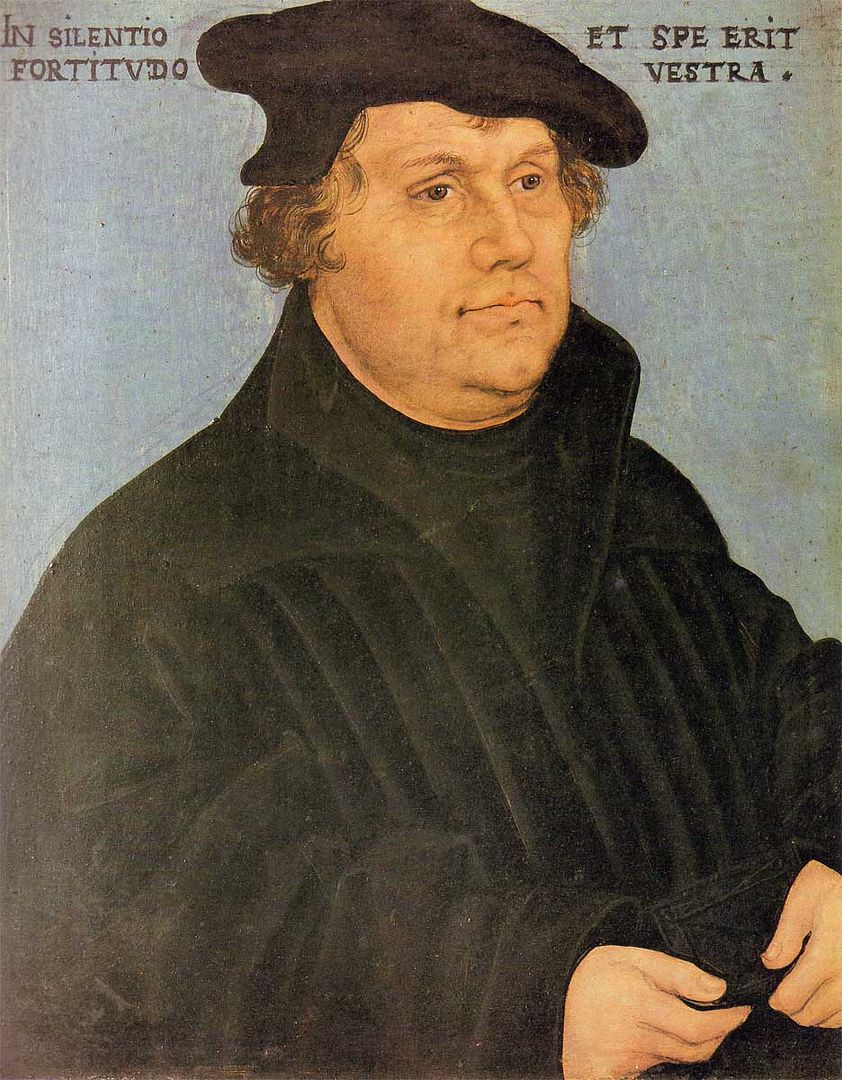
Martin LutherAs Christians our ultimate model of power is our God of glory, majesty and sovereignty willingly abrogating that power and becoming "small for us in Christ"—as Martin Luther expressed it: small enough to die. For us! From Christmas and the vulnerability of the manger we go to Good Friday and the vulnerability and absolute defenselessness of the cross. As Christians we confess we find the height of God's sovereignty in the vulnerability and weakness – in the hiddenness – of a human dying on the scandal of a tree.

We discover and recognize the fullness of the Shekinah Glory—the glory of the presence of God—in the weakness of Jesus, "The Human One," who dies without defense. And that powerlessness proved enough to annihilate the powers and principalities; it was sufficient to effect the death of the old order of death itself; Jesus' dying on the tree of death that paradoxically becomes the Tree of Life.

Our Good Friday/East Sunday proclamation is the end of the supremacy of death and the birth, the ascendancy of the primacy of life—the eschatological reign of the Power of God, most eloquently uncovered and found in the Lordship of Jesus of Nazareth, the crucified and risen One both Human and Divine, who shared our common lot and in whose birth, life, death, resurrection and ascension we know and affirm the definitive manifestation of the God beyond time and beyond space. ...

Now to today's topic: deliverance, homecoming, shame and grace.

Vis-à-vis Good Friday's cross and the empty grave of Easter Sunday's dawn, Christianity has developed an intricate theology of deliverance from slavery, redemption from bondage and homecoming from exile, but for Jews, shame was the cultural piece about the cross! However, when you assess any of those dimensions of salvation and wholeness, they're actually all about freedom.
Deuteronomy 21
22 If a man has committed a sin deserving of death, and he is put to death, and you hang him on a tree, 23 his body shall not remain overnight on the tree, but you shall surely bury him that day, so that you do not defile the land which the LORD your God is giving you as an inheritance; for he who is hanged is accursed of God.

Galatians 3
13 Christ has redeemed us from the curse of the law, having become a curse for us (for it is written, "Cursed is everyone who hangs on a tree," 14 that the blessing of Abraham might come upon the Gentiles in Christ Jesus, that we might receive the promise of the Spirit through faith.

Hebrews 12
1 Therefore we also, since we are surrounded by so great a cloud of witnesses, let us lay aside every weight, and the sin that so easily ensnares us, and let us run with endurance the race that is set before us, 2 looking unto Jesus, the author and finisher of our faith, who for the joy that was set before Him endured the cross, despising the shame, and has sat down at the right hand of the throne of God.
Clearly shame is cosmic and embraces every aspect of a person, but if it's possible to place it more in one category than in others, shame is more cultural than it is psychological or spiritual. Exactly the same way the cultural piece about the cross was shame, for us also, shame as an aspect of culture invades our total lives and affects ourselves and our (lacking a better word) total performances. For all of us and any of us, the situations, events and various miscellanea that cause us shame also tend to constitute the unspeakable we cannot permit ourselves to articulate!

Not only was death from hanging on a tree in itself a major curse under Old Covenant law—there's a ton of ritual and religious freight connected to that; in Jesus' case, dying outside the city gates located him outside humanity. For eons, city and civilization essentially have been synonymous; from days of old, cities have been places of population density, high-end commerce, and focal points of religious leadership and authority (hmmmm...thinking about Canterbury, Rome, Chicago, Louisville, Cleveland in this context?); typically cities have served as crossroads on the way to other places and historically, cities have been communication hubs, with news coming in and being broadcast out in various ways. As cities evolved, despite some barter and mutual exchange of goods still happening today (even now in the more-developed economies of the 21st Century First World), for a multitude of reasons, very early on a cash economy emerged and evolved. It's still emerging and still evolving, though these days credit and subsequent non-payment is becoming a habit for some.

But God chose to be born into humanity, into our life style and our longings, not at the local Cedar Mount Sinai or Presbyterian Hospital equivalent; and the society – and culture – chose to put God to death not according to contemporary antisepsis. Is there an antiseptic death? Well, yes. In Christ Jesus, God entered humanity and socialized with society at every level, but ultimately chose to identify most completely with the least of humanity, the cast-out, cast-off and cast-always. Over on my testimony blog, this far by faith, recently I posted this passage from John's gospel:
8:31 Then Jesus said to those Jews who believed Him, "If you abide in My word, you are My disciples indeed. 32 And you shall know the truth, and the truth shall make you free."
33 They answered Him, "We are Abraham's descendants, and have never been in bondage to anyone. How can You say, 'You will be made free'?"
34 Jesus answered them, "Most assuredly, I say to you, whoever commits sin is a slave of sin. 35 And a slave does not abide in the house forever, but a son abides forever. 36 Therefore if the Son makes you free, you shall be free indeed."
And from Romans 8, where Paul uses the same word as John uses for free eleutheria:
18 For I consider that the sufferings of this present time are not worthy to be compared with the glory that shall be revealed in us. 19 For the earnest expectation of the creation eagerly waits for the revealing of the offspring of God. 20 For the creation was subjected to futility, not willingly, but because of Him who subjected it in hope; 21 because the creation itself also will be delivered from the bondage of corruption into the glorious liberty of the children of God.
Also on this far by faith, two days ago, July 19, 2005, regarding Holy Shelter I wrote,

And there I will meet with you, and I will speak with you from above the mercy seat...Exodus 25:22a

God promises to meet us at the throne of sovereign mercy and grace; God meets us at the cross of Mount Calvary...

...after all, isn’t homecoming the ultimate thanksgiving?

Christianity has developed a complex theology of deliverance from slavery, redemption from bondage and homecoming from exile, but for Jews, shame was the cultural piece about the cross; when you assess any of those dimensions of salvation and wholeness, they're actually all about freedom! Clearly shame is cosmic and embraces every facet of a person; shame as judgment from our culture invades our total selves.

God promises to meet us at the throne of sovereign mercy and grace; God meets us at the cross of Mount Calvary... shame invades our total selves, but in the Divine Sovereignty and provision of the Cross of Jesus Christ, in mercy and grace God meets us, take all of our shame upon Himself and, at Resurrection dawn, transforms our entire selves into a homecoming of freedom without shame!

But always and for all times it hasn't been about signs and wonders—remember, even the gods of the Egyptians could do the fireworks! For the God of Abraham, Isaac and Jacob, the God of the prophets, the God and Father of Jesus Christ, all ways and every time it has been about constant, unmediated, unevoked and surprising Presence. For today I'm finished thinking about this, so I'll conclude with a handful of promise-texts:
Exodus 3
10 Come now, therefore, and I will send you to Pharaoh that you may bring My people, the children of Israel, out of Egypt."

11 But Moses said to God, "Who am I that I should go to Pharaoh, and that I should bring the children of Israel out of Egypt?"

12 So He said, "I will certainly be with you. And this shall be a sign to you that I have sent you: When you have brought the people out of Egypt, you shall serve God on this mountain."

13 Then Moses said to God, "Indeed, when I come to the children of Israel and say to them, "The God of your fathers has sent me to you,' and they say to me, "What is His name?' what shall I say to them?"

14 And God said to Moses, "I AM WHO I AM." And He said, "Thus you shall say to the children of Israel, "I AM has sent me to you."' 15 Moreover God said to Moses, "Thus you shall say to the children of Israel: "The LORD God of your fathers, the God of Abraham, the God of Isaac, and the God of Jacob, has sent me to you. This is My name forever, and this is My memorial to all generations.' 16 Go and gather the elders of Israel together, and say to them, "The LORD God of your fathers, the God of Abraham, of Isaac, and of Jacob, appeared to me, saying, "I have surely visited you and seen what is done to you in Egypt; 17 and I have said I will bring you up out of the affliction of Egypt to the land of the Canaanites and the Hittites and the Amorites and the Perizzites and the Hivites and the Jebusites, to a land flowing with milk and honey."'

Joshua 1
5 No man shall be able to stand before you all the days of your life; as I was with Moses, so I will be with you. I will not leave you nor forsake you. 6 Be strong and of good courage, for to this people you shall divide as an inheritance the land which I swore to their fathers to give them. 7 Only be strong and very courageous, that you may observe to do according to all the law which Moses My servant commanded you; do not turn from it to the right hand or to the left, that you may prosper wherever you go. 8 This Book of the Law shall not depart from your mouth, but you shall meditate in it day and night, that you may observe to do according to all that is written in it. For then you will make your way prosperous, and then you will have good success. 9 Have I not commanded you? Be strong and of good courage; do not be afraid, nor be dismayed, for the LORD your God is with you wherever you go."

Deuteronomy 1
32 Yet, for all that, you did not believe the LORD your God, 33 who went in the way before you to search out a place for you to pitch your tents, to show you the way you should go, in the fire by night and in the cloud by day.

Deuteronomy 2
7 "For the LORD your God has blessed you in all the work of your hand. He knows your trudging through this great wilderness. These forty years the LORD your God has been with you; you have lacked nothing."'

Matthew 28
18 And Jesus came and spoke to them, saying, "All authority has been given to Me in heaven and on earth. 19 Go therefore and make disciples of all the nations, baptizing them in the name of the Father and of the Son and of the Holy Spirit, 20 teaching them to observe all things that I have commanded you; and lo, I am with you always, even to the end of the age."