
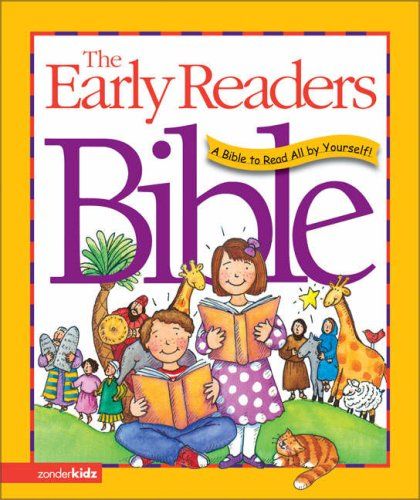
 Intended for very young kids, this version of the Good Book includes several dozen well-known Old Testament and New Testament stories. The NT ones mostly are from the synoptics and from Acts, along with Jesus cleansing the temple in John 2 (way to go, the basis of Jesus' Ministry!) and from John 20, the risen Christ appearing to Mary Magdalene (basic apostleship!); there's also a single Philemon pericope. The Early Reader's Bible has basic words and new words vocabulary lists, scripture references, with end of chapter questions and activities to help review the story—what we'd call applications in a bible for older readers. "Words to know" in a box at the start of each story also can serve as keywords.
 Terri Steiger's illustrations are bright and fun without being exclusively those basic red, blue, yellow, and green spectrum colors many kids' toy manufacturers seem to think are the only hues that attract kids. One reviewer mentioned all the people in the stories are Caucasian; they're all "basic humanity" Mediterranean-looking, and for sure I'd have drawn a far greater variety of ethnicities and abilities, but their appearances do reflect the actual characters in the actual scriptural events. Answering the questions and doing the activities can help readers insert themselves into the narratives.
Besides young people just learning to read, this fat, board-bound book would be a great resource for folks of any age just learning English or for older adults learning to read, as well. I haven't been researching or comparing versions of scripture for young readers, but this seems like an excellent choice for home, church, or Sunday School libraries.
my amazon review: a good version of the good book

 1. A book? Assuming sets are allowed, all 4 volumes of The Gospel In Solentimane. It's way long outta print and though it's not technically my fave gospel commentary, it's right up there and impossible to find online.
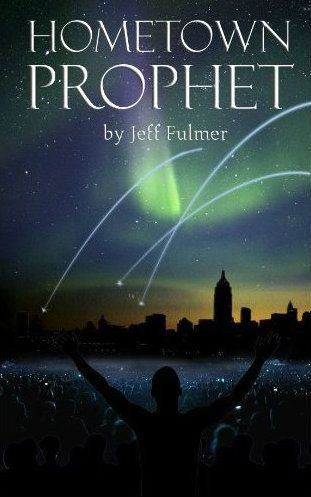 Scripture distinguishes between the (fore)seer of future events, and the prophet, one who speaks "truth to power." Hometown Prophet Peter Quill operates mostly in the former category, accurately predicting events that will occur (admittedly because individuals, agencies, and organizations have not acted with justice and righteousness), though towards the close of the narrative he gets into some heavy-duty laying out of "if - then" alternatives. If you didn't already guess it, "Hometown" in the title is about home as in the place a person basically grew up; for personal and economic reasons, Protagonist Peter has returned home when he starts prophesying.
 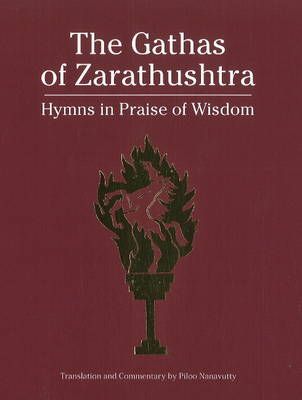 Historical and cultural background, commentary, images, notes, and explanations make this an eminently approachable resource for anyone interested in Zoroastrianism. I'm very much a newbie to the study of this world religion, yet very much aware of ways its dualism, apocalypticism, and high ethics have influenced post-exilic Judaism (though by definition "Judaism" is post-exilic...) and Christianity—especially Mark's gospel, the epistles of Paul and the deutero-Pauline canon. From a neophyte's view, this book seems like an excellent introductory view into sacred texts of a people, words that define and describe their interactions with the divine, with one another, and with all creation.
  I've illustrated this post with one of my own fave paintings of sprouts, trusting the visual metaphor will becomes actualized. Here's my quick, late, abbreviated play: