Showing posts with label neighborology. Show all posts

Friday, February 03, 2023

Five Minute Friday :: Ignore

There's something you can do about it. Meet somebody halfway. To communicate is the beginning of understanding.
There's something you can do about it.
Meet somebody halfway.
To communicate is the beginning of understanding.

• Five Minute Friday :: Ignore Linkup

Ignore reminded me of a group of old AT&T ads I've previously mentioned in blogs and also illustrated. My header design is one of my interpretations, recolored because I wanted the words to be gentle, easy, and inviting.

It's easy to ignore… someone who annoys you. A person who has wronged you. A project you need to finish as soon as possible (super relevant to me as a freelancer). To ignore that friend you need to forgive or maybe ask for forgiveness.

Though it happens everywhere, here in Los Angeles as twenty-first century urban cliff dwellers it has become more than the line of least resistance for us to ignore people around us. With the realistic fear the recent cascade of public violence has caused, with stay 2 meters-6 feet apart remaining wise counsel because #CovidIsAirborne and #CovidIsNotOver despite no longer qualifying as a pandemic, ignoring our neighbors to the extent of literal no-contact-zero communication may protect me, my family, and my interests.

But what happens if you don't ignore? What happens if you reach out, connect, make a new friend, reconcile with an old friend? (What happens if you settle down and finish that project so you can get paid?)

Here's a partial list from the AT&T ads:

• At least talk to each other!
• Divisions evolve from the barriers we construct
• Out of a sense of self, a sense of the other
• Reach out for someone

I can't know myself other than as I relate to another. I cannot ignore you. Side by side or face to face, I need to meet you. When you are not there I have no mirror. I have no choice but to be attentive, because God formed me for community, has called me into communities of humans, of creation and of the church. God charges me to live as other to my other. Ignorant is the adjective that comes from the verb ignore. "Out of a sense of self, a sense of the other."

Pastor James Howell, whose blog I follow to help prepare for my weekly scripture reflection recently observed about Joseph's reunion with his family:

I cannot imagine why a preacher would forego the Old Testament lection for this Sunday – ever, but especially now, given the severe splintering we're experiencing in society, and in the church. Genesis 45 is the theological high water mark of the Old Testament, and is a peer of even the best the New Testament has to offer. Reconciliation should be the fixed point in all our thinking, imagination, labor, and prayers.

Reconciliation should be the fixed point in all our thinking, imagination, labor, and prayers. Please don't be ignorant! Please don't ignore me!
five minute friday ignore
five minute friday icon

Monday, February 15, 2021

Five Minute Friday :: Once

Once You Know Freedom MLK quote for Five Minute Friday
• Five Minute Friday :: Once Linkup

February is Valentine's Month, Heart Month, Black History Month…
"This is freedom. This is a weapon greater than any force you can name. Once you know this, and know it with all your being, you will move and act with a determination and power that the federal government cannot ignore, that the school boards cannot overlook, and that the housing authority cannot dismiss." Martin Luther King, Jr., Chicago, 1966
• Once you know [the power of freedom]…

freedom / obedience

God gifted Israel with the ten Words or Commandments of the Sinai Covenant after they'd been liberated from slavery, been freed from production quotas. Out of imperial Egypt, into the exodus desert, on their way but not yet at the promised land, they'd learn to keep and maintain that freedom by keeping and obeying the commandments. Slavery to empire no long would be their frame of reference; instead they would reverence God by serving the neighbor.

As I've mentioned not a few times on this blogsite and countless times in the adult Sunday School class I facilitate, we discover the neighbor at the heart of the Torah, we meet our neighbor when Jesus of Nazareth summarizes the ten commandments into two: Thou shalt love the Lord thy God with all thy heart, and with all thy soul, and with all thy strength, and with all thy mind; and thy neighbor as thyself. In Luke's gospel Jesus then tells the lawyer "thou shalt live" if he follows the commandments. God gifted us with commandments (ordinances, precepts, statutes, law, torah) so life might harmonize with Martin Buber's definition of love as responsibility of an I for a thou.

masks / freedom

Early in the COVID-19 mask-wearing mandate people started to protest. Almost a year into masks, people haven't stopped complaining, with some refusing to mask up because they insist masks take away their personal freedom. As the commandments (the law!) and the prophets (grace!) reveal, life's not about a supposedly autonomous "me" individual because no one lives by or for themselves. Polite suggestions or municipal demands to mask don't remove anyone's freedom; freedom always has limits and boundaries because no one can be that autonomous "law unto themselves." Life is about me, a person connected to the other – to my neighbor whose neighbor I become – in love that regards their greater good as my privilege and obligation, that perceives the neighbor's good as my own.

Once you know freedom, you will know love in action. Justice, determination, power – and responsibility – come alive when we love God, neighbor, and self.

# # #
FIve MinuteFriday button
Five Minute Friday Once word prompt

Thursday, October 31, 2019

October :: Porch Story

porch stories icon winter 2020

October 2019 desert spirit's fire

• Porch Stories host Kristin reveals an extremely varied October; her book suggestions always interest me.

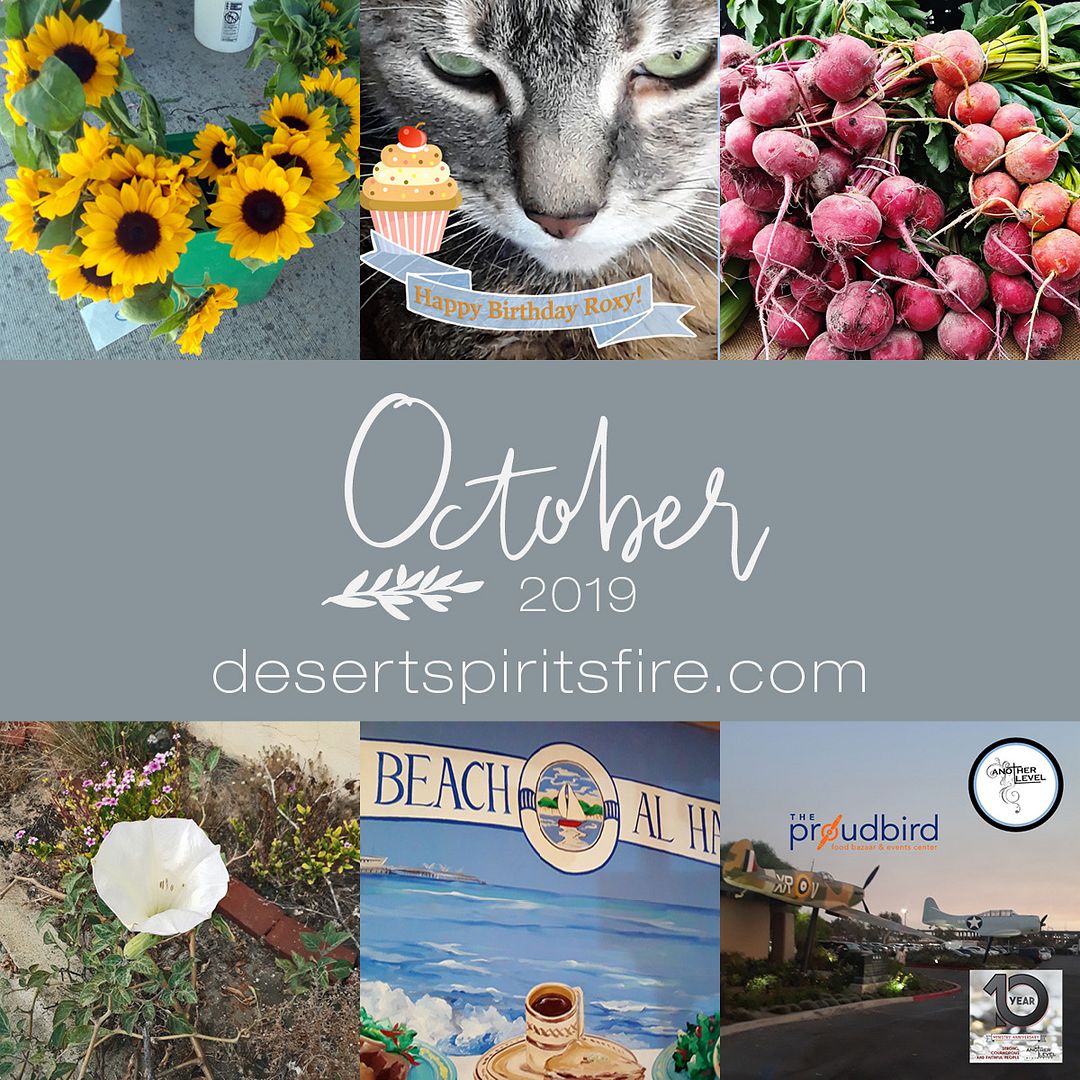
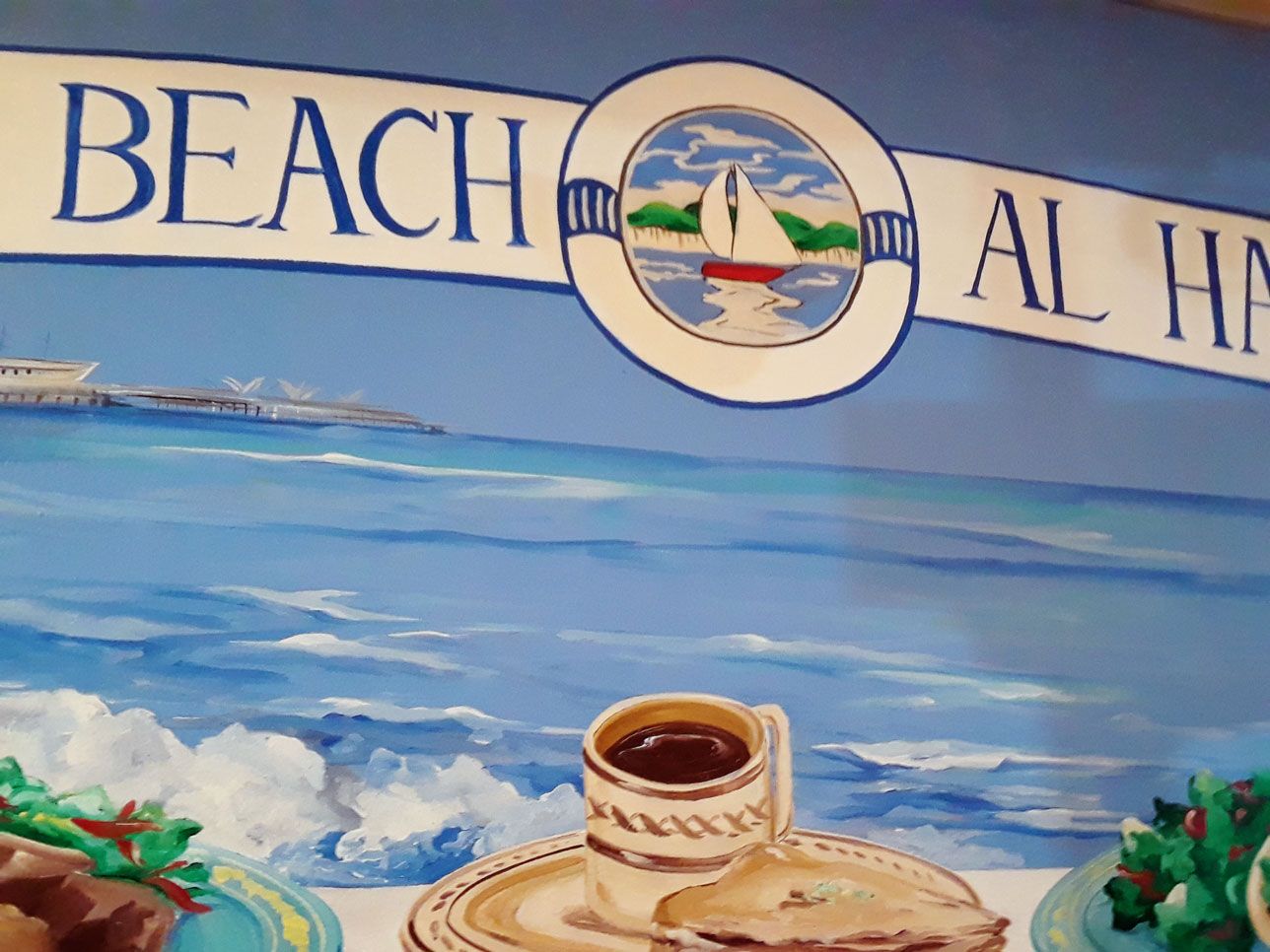
• Here are a few of this month's stories from round about town!

early October middle eastern dinner

• Very early in October, Green Teammate Jane and I enjoyed a middle eastern dinner with conversation about our currents.

LA Metro fall 2019 conference table decor

• LA Metro Fall Conference happened in my old South Central 'hood; not any pictorially memorable metting moments, but the pumpkin-themed table décor was seasonably pretty—pumpkin desserts, too!

Glendale playground Glendale greeneries and flowers

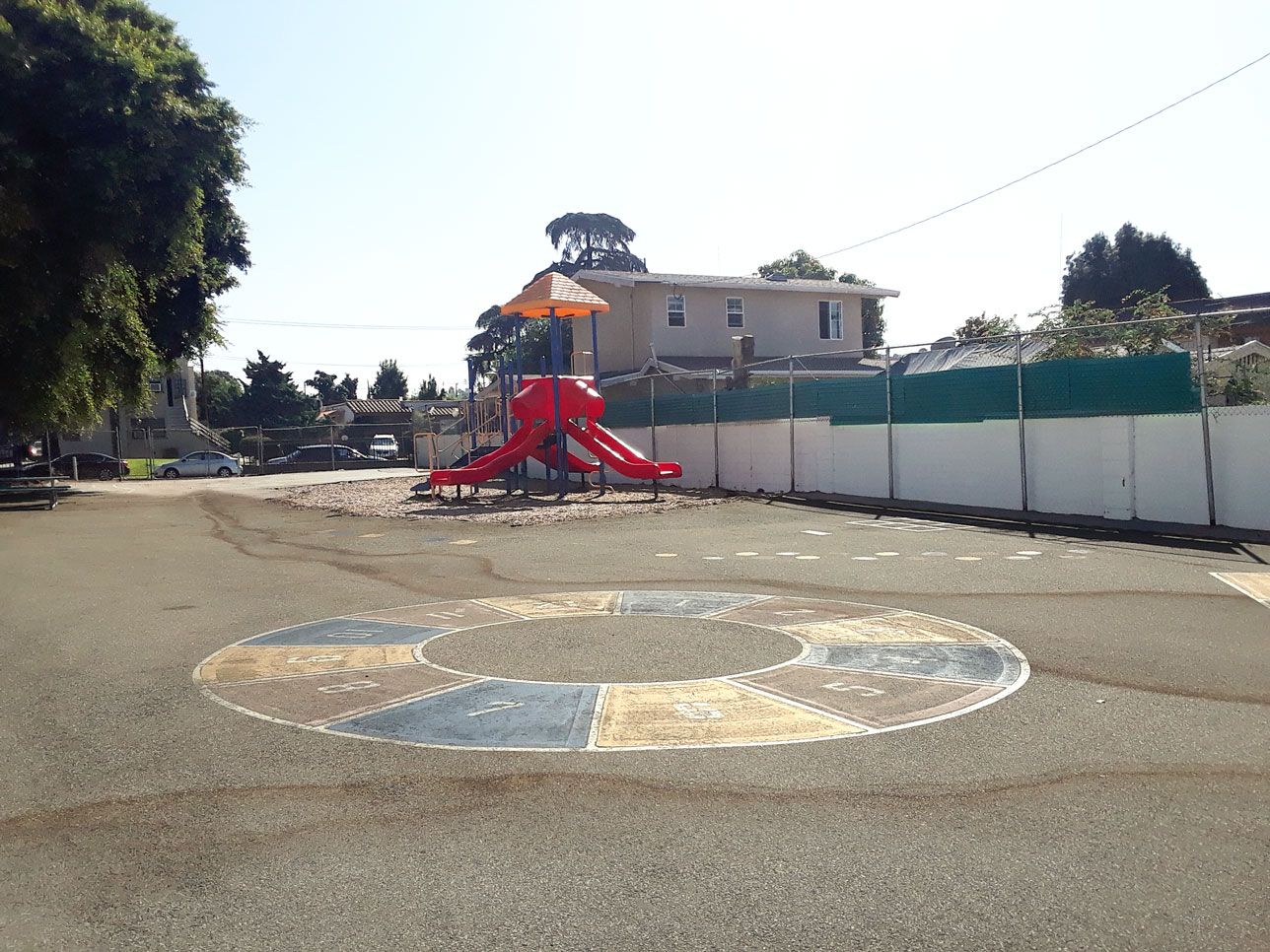
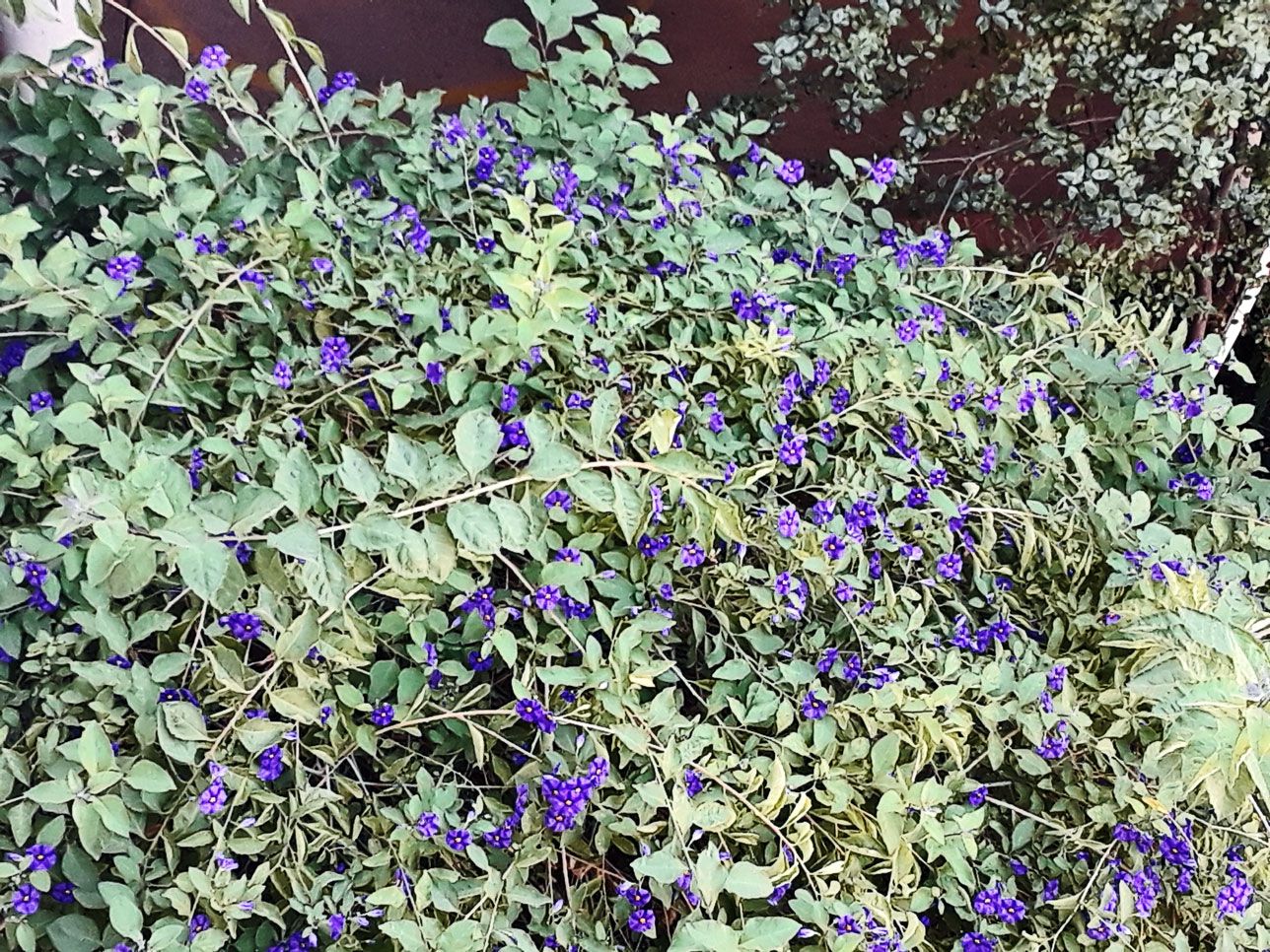
• With the school no longer on site, Green Team meetings in Glendale no longer bring a plethora of pics, but I found a worthwhile glimpse of the playground plus one of intertwined flowers and greens.

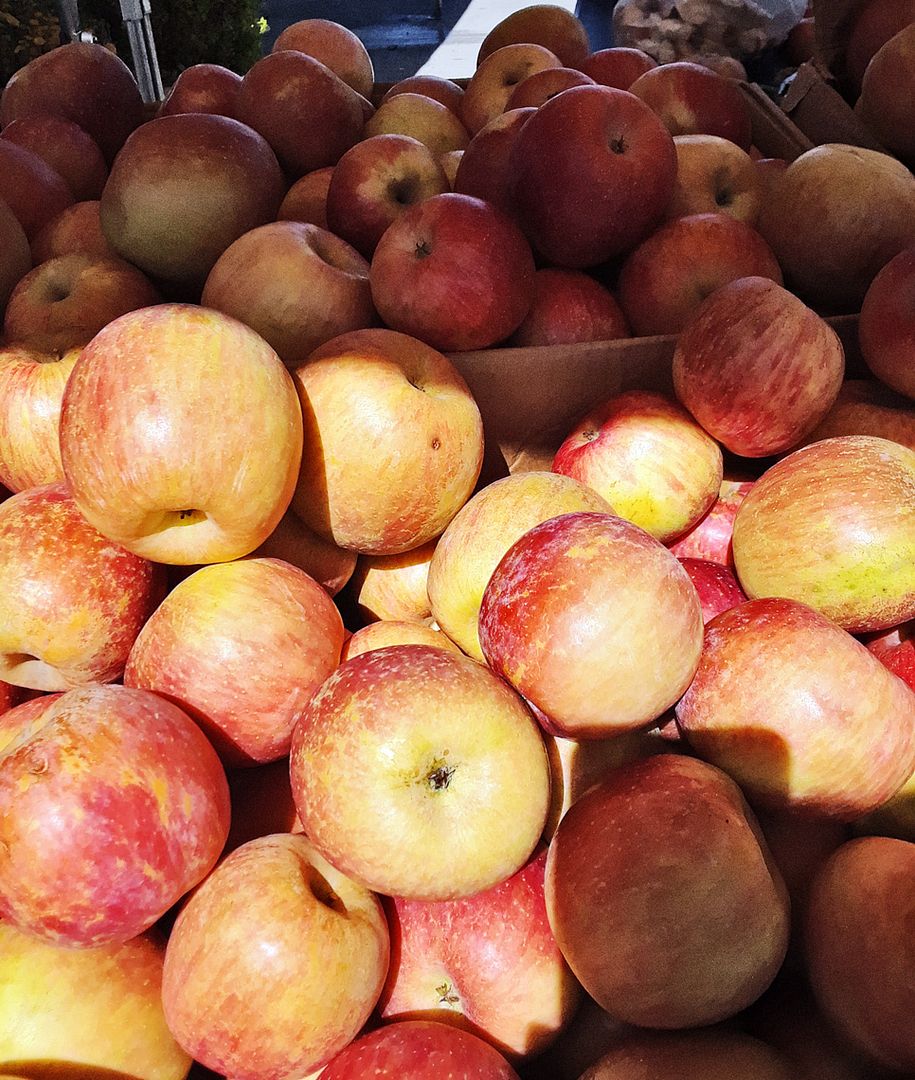
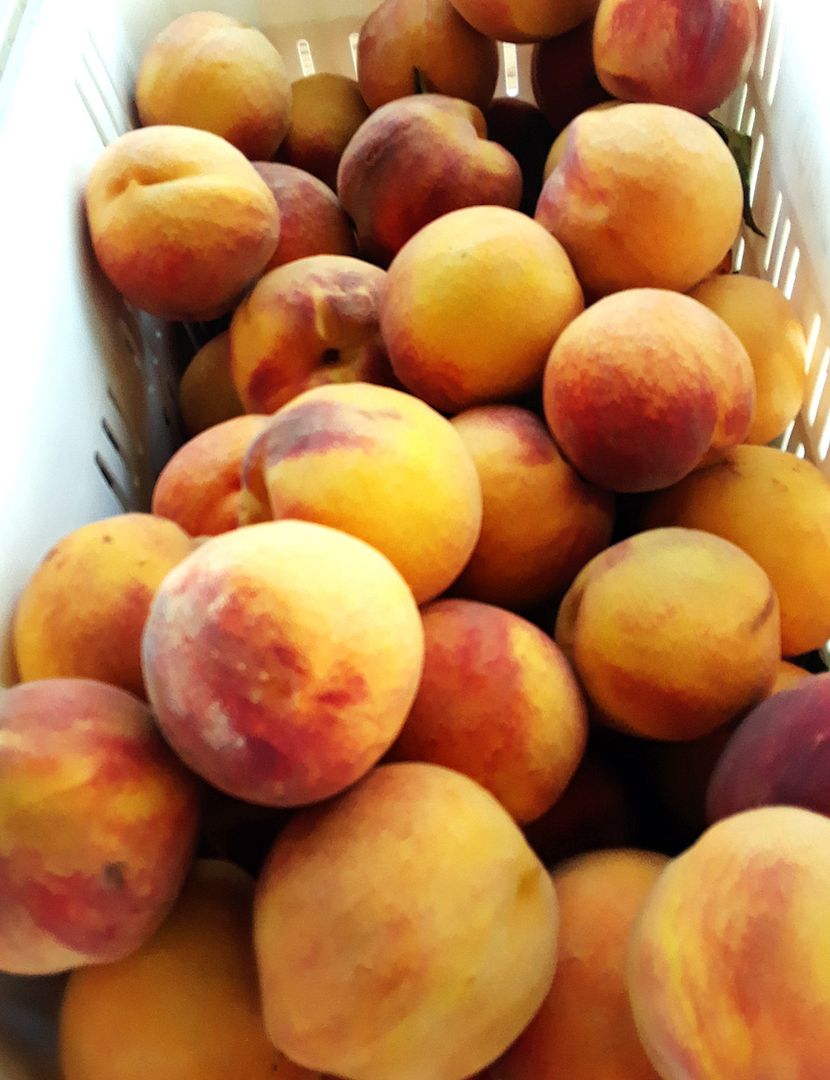
farmers markets apples farmers market peaches
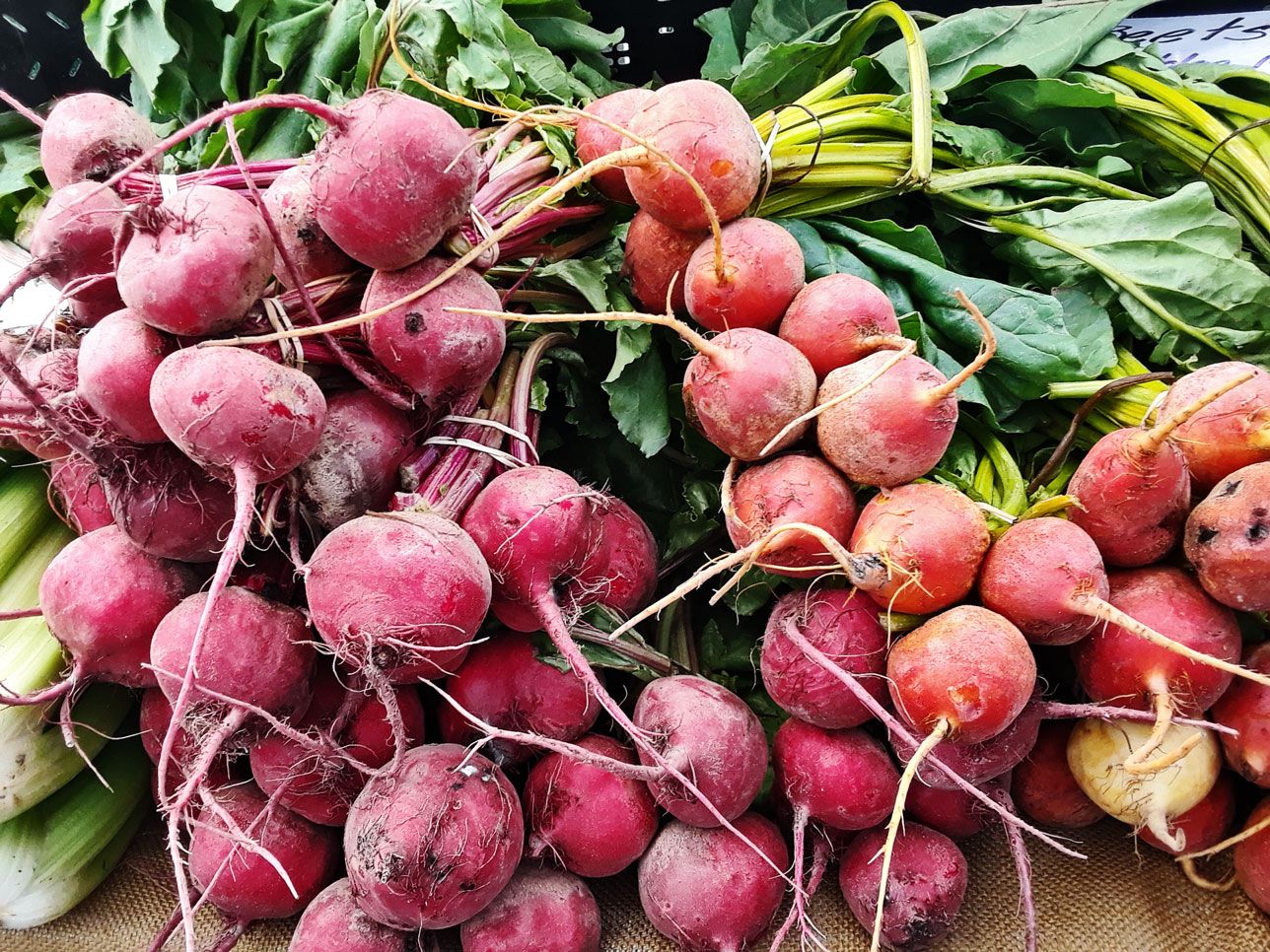
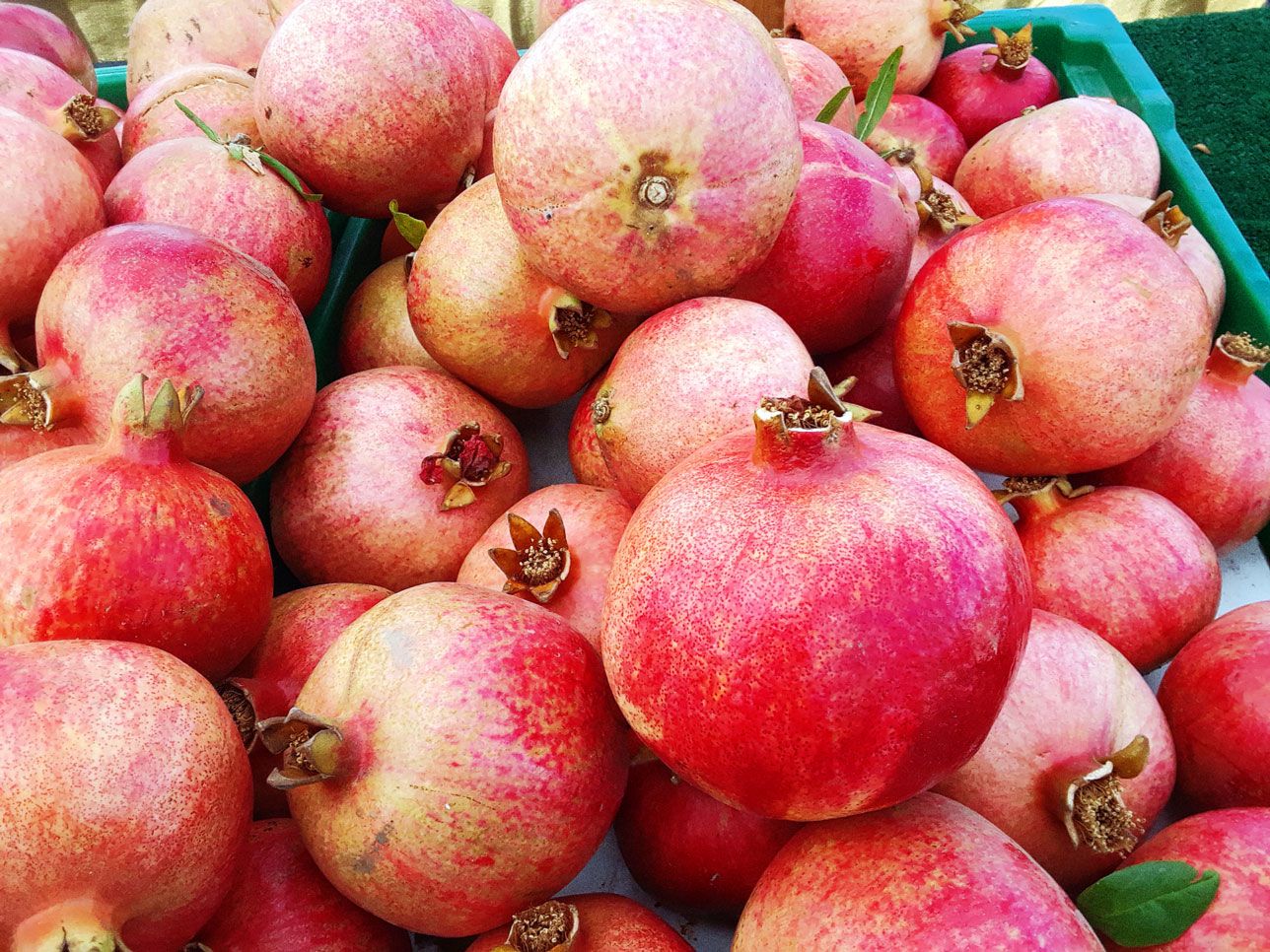
farmers market root veggies farmers market pomegranates
farmers market gourds, squashes, etc. farmers market sweet bell peppers

• A small sampling of the many excellent images a romp through one of the largest local Farmers Markets yielded; I also enjoyed a [not illustrated here] savory Peruvian lunch.

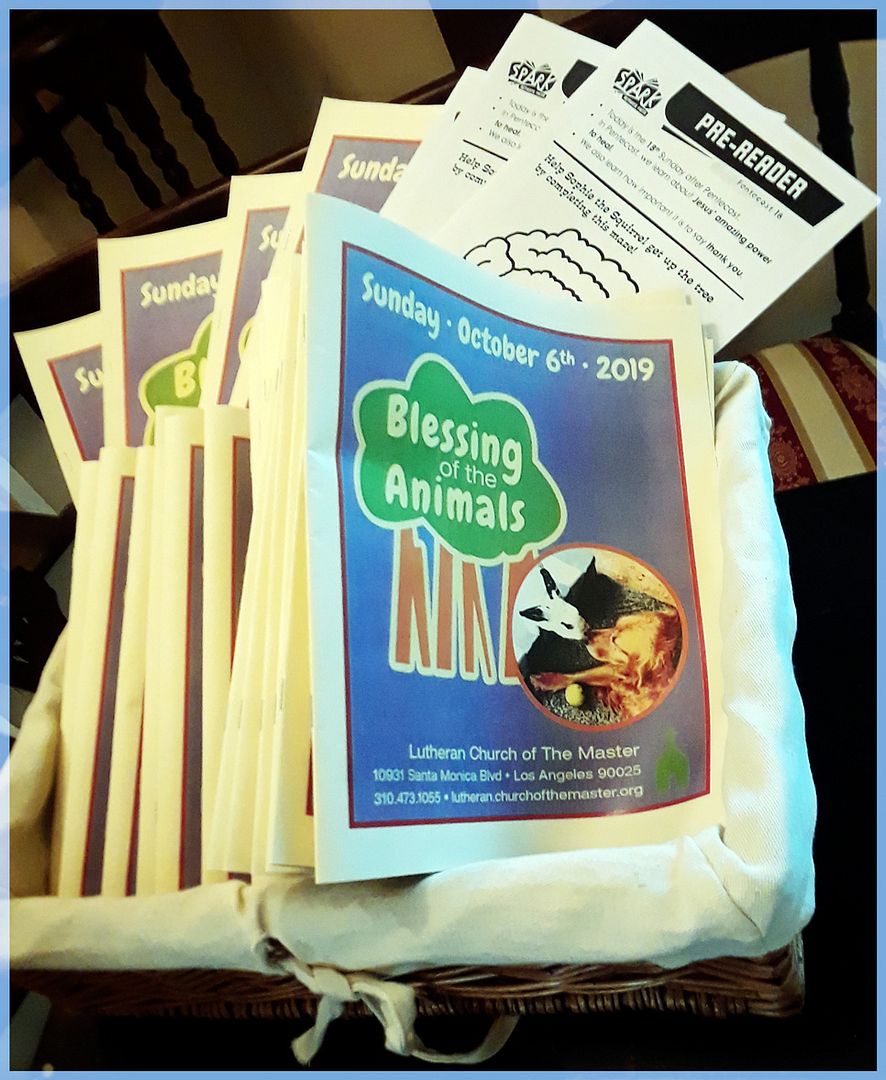
blessing of the animals 2019

• Sunday morning closest to St. Francis day for annual Critter Blessing No. 3.

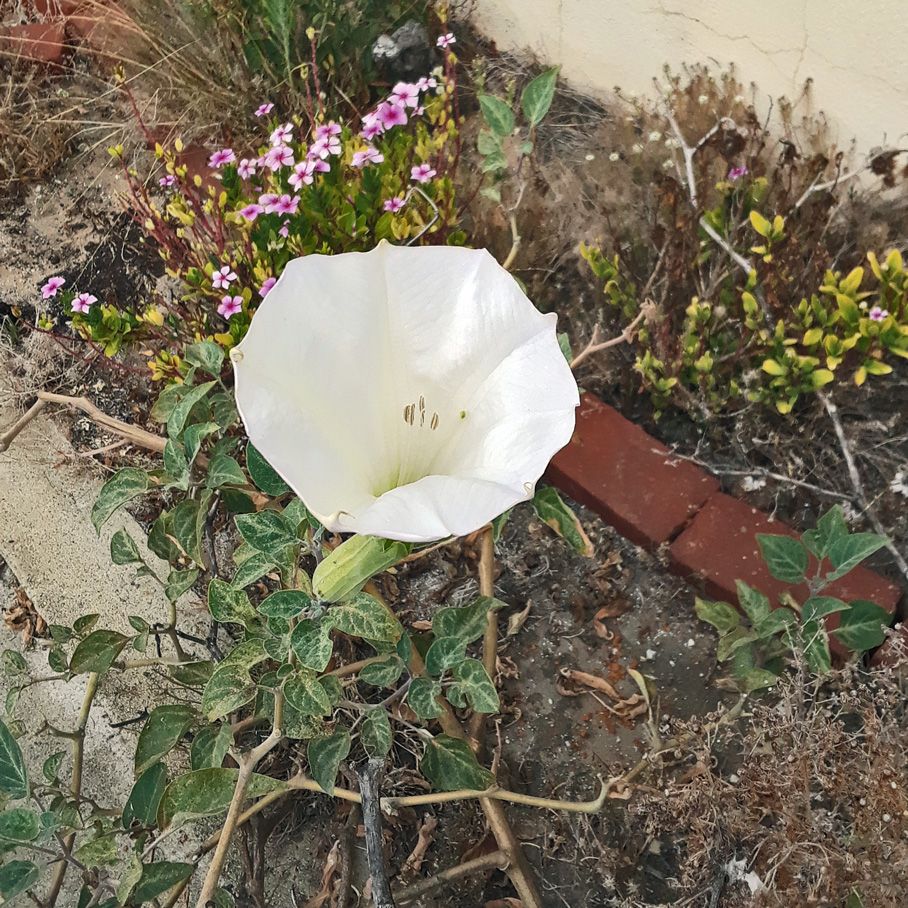
last moonflower of 2019

• Last moonflower of 2019.

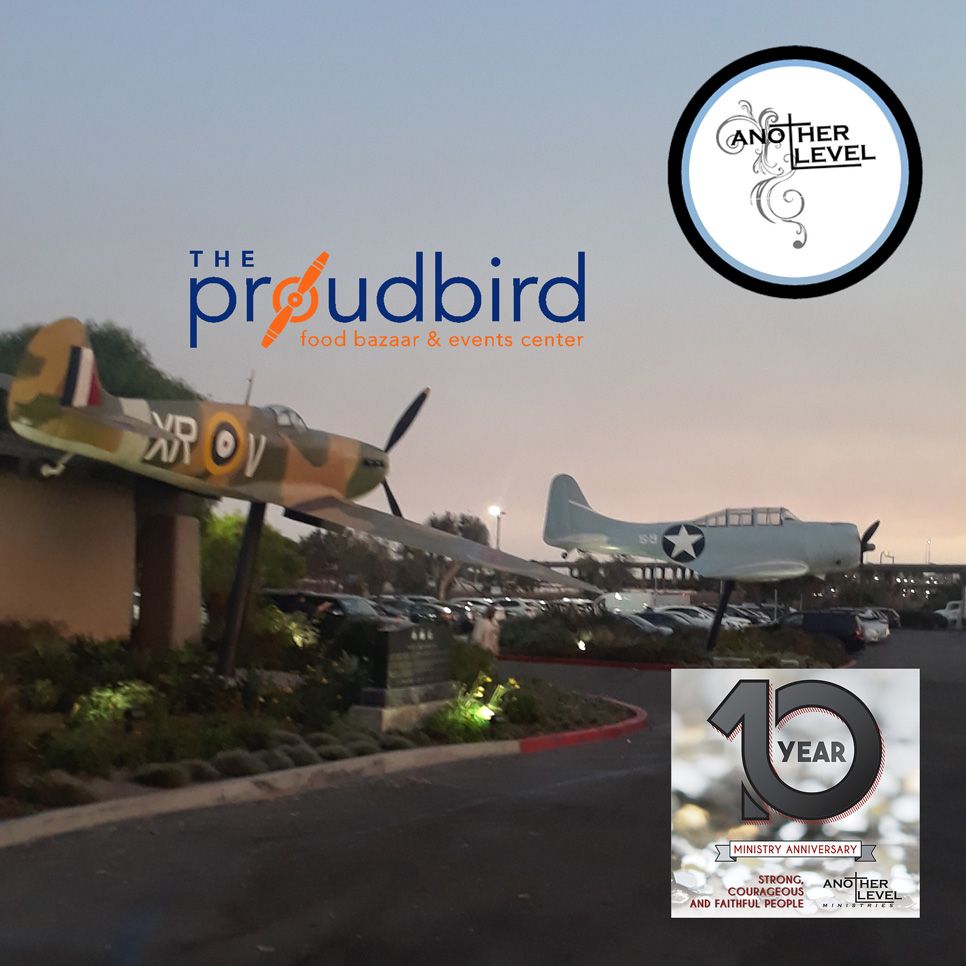
Another Level at the Proud Bird

• Another Level Ministries celebrated Ten Years! at The Proud Bird—within easy earshot of LAX. Surprising that I didn't find any memorable photo opps at the celebration itself.

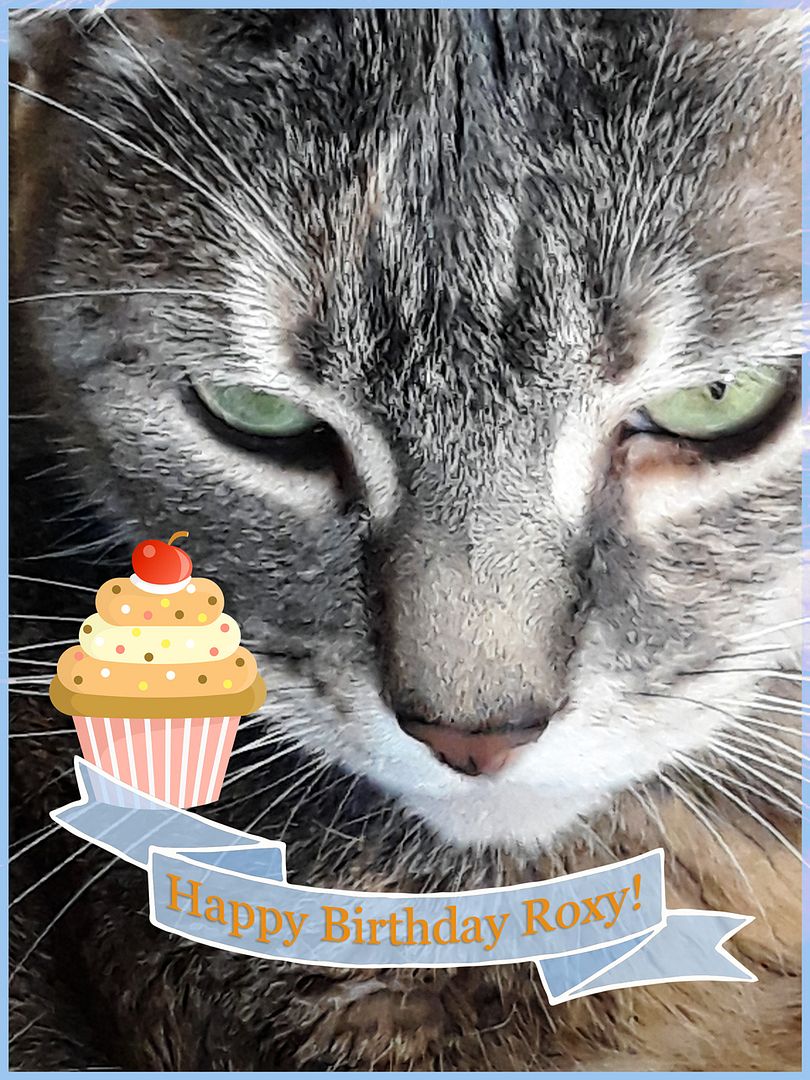
Roxy Kitteh nine years birthday/adoption

• Roxy Kitteh flew from DFW through PHX to SAN nine years ago!

porch stories icon winter 2020
• It's been far too long since I blogged blueberries (or any berries), so here's some for this year as the berries season slows and concludes.

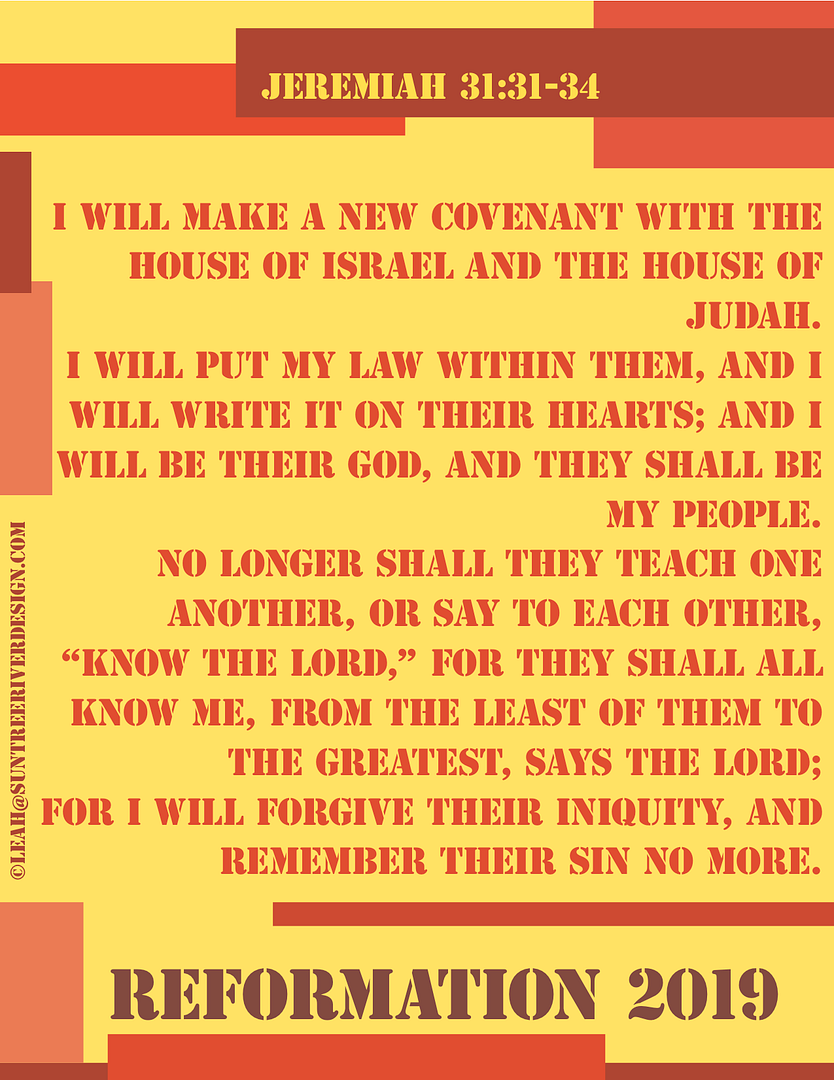
Reformation 2019

• As a church geek, theology geek I had to celebrate Reformation Day 502. I didn't get a bulletin cover designed for my church this time, but upcycled a design from a previous year for this blog and for twitter. Really appropriate since again I discussed the Jeremiah pericope with my SS class. Can you say "neighborology"? Can you live neighborology?

Kristin Taylor porch stories button

Friday, December 14, 2018

Porch Story :: John the Baptist

porch stories 2019

Desert Museum 07
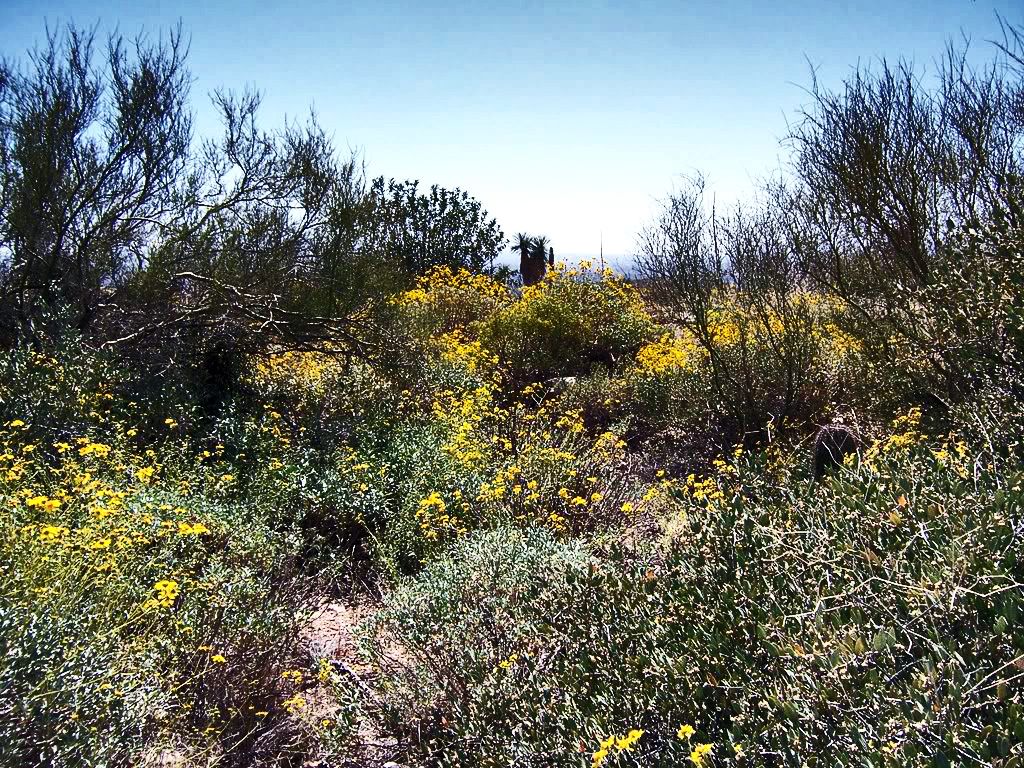
Sonoran Desert Wilderness near Tucson, Arizona

Porch Story host Kristin features guest Beth Johnson this week.

My long ago previous city next door neighbor Sara blogged for the first time in ages with an amazing account; today's porch story expends my comment to Sara...

"The magic in the ordinary!" This entire post is so amazing! The song "Live Like You Were Dying" has it right—if we knew this was our last day on earth, what would we do? What would our concern be? New Zealand must have been a dream come true—and the power and grace of your Dad's priesthood blessing will stay with you forever!

True about living life in ordinary, small things. I teach the adult SS class at my church; next Sunday we'll be talking about John the Baptist in Luke 3:7-18 as he instructs people (a brood of vipers who need to repent) how to get ready for the arrival of God in their midst in the person of his cousin Jesus. Do you remember John and Jesus were very close in age? J the B's official church birthday is June 25, right after the summer solstice; although Jesus's birth likely was during the season of spring, we celebrate his birthday right after the winter solstice, on December 25. Birthdays of increasing and decreasing light symbolize nicely John's observation, "Jesus must increase, I must decrease." Actions of Jesus' followers – ordinary, everyday lives of those baptized with water and with fire – become a big aspect of Jesus' presence increasing and growing on earth.

Luke 3:7-18

7John said to the crowds that came out to be baptized by him, "You brood of vipers! Who warned you to flee from the wrath to come? 8Bear fruits worthy of repentance. Do not begin to say to yourselves, "We have Abraham as our ancestor'; for I tell you, God is able from these stones to raise up children to Abraham. 9Even now the ax is lying at the root of the trees; every tree therefore that does not bear good fruit is cut down and thrown into the fire."

10And the crowds asked him, "What then should we do?" 11In reply he said to them, "Whoever has two coats must share with anyone who has none; and whoever has food must do likewise." 12Even tax collectors came to be baptized, and they asked him, "Teacher, what should we do?" 13He said to them, "Collect no more than the amount prescribed for you." 14Soldiers also asked him, "And we, what should we do?" He said to them, "Do not extort money from anyone by threats or false accusation, and be satisfied with your wages."

15As the people were filled with expectation, and all were questioning in their hearts concerning John, whether he might be the Messiah, 16John answered all of them by saying, "I baptize you with water; but one who is more powerful than I is coming; I am not worthy to untie the thong of his sandals. He will baptize you with the Holy Spirit and fire. 17His winnowing fork is in his hand, to clear his threshing floor and to gather the wheat into his granary; but the chaff he will burn with unquenchable fire." 18So, with many other exhortations, he proclaimed the good news to the people.

Your entire account reminded me:

Maybe especially smart people (like us!?) imagine doing things the world will consider amazing—teaching elementary school in the inner city, serving as a mostly pro-bono attorney for marginalized populations, serving a non-English speaking mission in a semi-exotic place, parenting a bunch of kids all of whom go on to get a PhD or MD and save their corner of the world... you know!

But Jesus' cousin tells us to get ready for The Coming One by living life simply where we already are and sharing essentials like clothing and food. He doesn't even advise tax collectors and soldiers who are in the employ of the occupying Roman government to quit their jobs that potentially oppress and even could bankrupt people. We basically need to bloom where we're planted, and do everything the best we can with fairness and righteousness.

Two Sundays ago in my intro to Luke's gospel, I said Luke emphasizes:

• neighborology – the word about the neighbor! During Luke's Year C the lectionary includes quite a few readings from jeremiah and Deuteronomy that also center around the neighbor, the other, living together faithfully in covenantal community.

• Starting with John the Baptist down by the riverside counseling people to share what they have with others in order to prepare for the arrival of God in our midst, we find a lot of "social gospel" throughout Luke,. However, this isn't let's see how many good works we humans can accomplish on our own; it's always about the indwelling and outgoing power of the Holy Spirit.

I added Luke's...

• Sermon on the Plain – Luke 6:17-49 – is about re-distributive justice and material well-being. Matthew's parallel Sermon on the Mount is more about spiritual well-being.

Would God among us not be an alleluia moment, a time to sing praises?! In this riverside narrative, John the Baptist has people preparing for God's arrival in their midst by starting to live as he knew Jesus would teach us to be and to act; when that happens, everyone will shout alleluias!

This scripture passage anticipates the same Luke's Acts of the Apostles where everyone has everything in common, where members of the nascent church literally provide for the common good. In the way Jesus showed us, economic and distributive justice is very spiritual! Acts includes some pretty amazing accounts of missions to fairly distant places, too, but more than anything, it's about serving the people, people, people, right here in this very place, giving of ourselves and our excess. This is the outcome of the presence in our lives of the One who baptizes with cleansing water and purifying fire. We become part of the magic of the ordinary for our neighbors.

Just as Matthew never lets up on justice and righteousness, Luke never lets up on living for the other, for the neighbor, correcting the imbalance of some having more than they need, others trying to get by with less. Early on in Acts 2:

42And they continued steadfastly in the apostles’ doctrine and fellowship, and in breaking of bread, and in prayers. 43And fear [the Greek here is an awe-filled type of fear, not fright] came upon every soul: and many wonders and signs were done by the apostles. 44And all that believed were together, and had all things common; 45And sold their possessions and goods, and distributed the proceeds to all, as any one had need.

Luke (and Jesus!) never let up until everyone gathers as equals around the welcome table of a bountiful eschatological feast that is the reign of heaven on earth.

Can you tell I'm preparing for Sunday?

porch stories button

Friday, September 01, 2017

Five Minute Friday: Neighbor

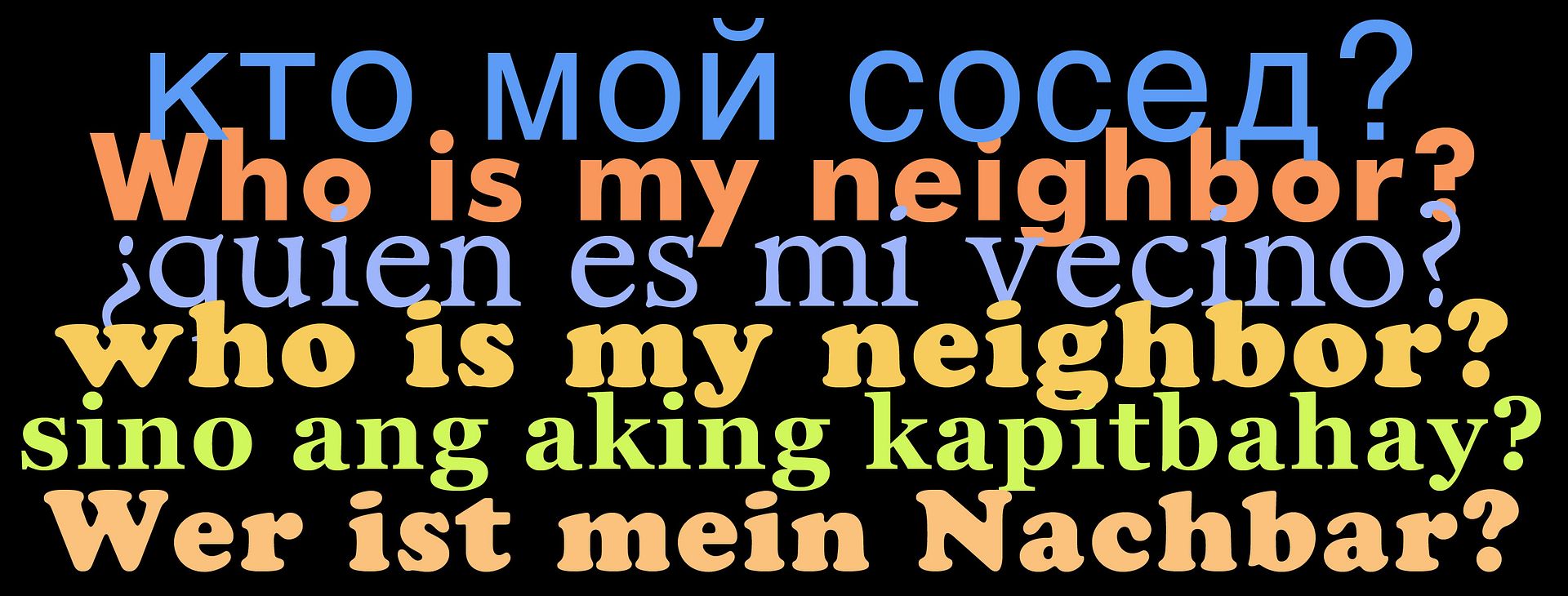
Neighborology is essential at any time and all the time, but maybe particularly in the wake of well-publicized (or barely mentioned) major environmental events like hurricane Harvey, acting in ways scripture instructs us and Jesus demonstrated may be more important than ever. In that case? For the Five Minute Friday free write Kate Motaung hosts, neighbor's our one word prompt.

who is my neighbor?

This morning I updated the website for one of my churches in Previous City; in his front page article the pastor observed:
"Natural disasters bring out the best and the worst in us humans. They provide us with object lessons of the Lutheran anthropological insight that we are simul justus et peccator, at the same time righteous and sinful. The sinfulness is evident in the price-gouging that was occurring before the storm even hit, and there will probably be looting once the waters subside enough to facilitate it.

"But even more striking are the occasions of people reaching out to help their neighbors, taking no account of their race, class, gender, sexual orientation, political affiliation or correctness. People in a tough situation helping their neighbors. People in a tough situation not being picky about who it is that is helping them. Loving their neighbors—as themselves.

"There's a lesson here for our lives after the waters subside and we return to the elite infighting of the chattering classes and the high-horse lectures about the brazen immorality of the other side. When a sea of troubles rises around us, wounds that are not easily healed can be ignored for a time while we attend to the more basic needs of the human community."

taking five on my own...

Particularly during the last Revised Common Lectionary year C (also known as "Luke's Year") in the adult SS class I facilitate we studied quite a few passages from Luke's gospel, from the prophet Jeremiah, and from the book of Deuteronomy that in many ways reveals the heart of Torah with its concern for the other, the neighbor, those in need, the overall well-being of the community —"neighborology"— the word about the neighbor.

According to the gospel account according to Luke, after the guy asked "and who is my neighbor?" after Jesus' counsel to love your neighbor as yourself, Jesus responded with that memorable "A guy was going down to Jericho..." that ended with the commandment "go and do likewise." Jesus' example was a despised religious "other-than."

In the current national political situation in the USA, in the way Christianity has become fragmented and divided in the USA, along the world religious landscape, with immense complications of immigrant, refugee, and other non-citizen sojourner status... which of these are my neighbors? Certainly not all of, my neighbor can't be everyone one of them? God's says I'm my brother's keeper – that means my sisters and brothers are my responsibility. To what extent? Please tell me, then, who is my sister, my brother? Or not?

A long time ago I worked with a guy who told us he'd been seeing a psychotherapist who worked from a Christian perspective. One day he came to work and reported his therapist had told him to stand in front of a mirror, look at his own reflection, and declare, "I love you!" "Wow! That was hard," my colleague admitted. The late Jewish theologian Martin Buber tells us love is the responsibility of an I for a thou. Am I my own neighbor? Am I responsible for myself?

five minute friday neighbor five minute friday new button

Thursday, August 17, 2017

Once You Know This: Emily Blejwas

Once You Know This by Emily Blejwas on Amazon
This is freedom. this is a weapon greater than any force you can name. Once you know this, and know it with all your being, you will move and act with a determination and power that the federal government cannot ignore, that the school boards cannot overlook, and that the housing authority cannot dismiss. Martin Luther King, Jr., Chicago, 1966 {ARC pages 205-206}
once you know this coverBrittany lives in inner city Chicago. Does that inevitably mean endless multi-generational recycling of WIC, welfare, worry, and weariness? Does starting life in urban (or rural) poverty mean leaving school as a dropout? Not necessarily. Once You Know This opens in Chicago, ends in Montgomery, Alabama, the city the Montgomery Bus Boycott and Rosa Parks put on the map for all time.

Without a doubt fifth-grader Brittany has inherited basic smarts, but classmates, teachers, friends, and neighbors all play essential parts in helping the eleven year old imagine and enact a future. So does the internet, though mostly by making everything easier than it would have been back in the last century.

The story moves along at an easy, interesting real-life pace; the characters are fabulous! Most of us would have loved having a creative teacher into "cultural arts" like Mr. McInnis who'd relocated north from Mississippi for his first ever teaching job. I feel as if I'd met him, met Brittany and her Mom Maureen, had more than a brief conversation with many of the other people in the book. Emily Blejwas captures reader interest and credibility, too, with micro views into Brittany's world that rang true to my own experiences growing up and later working in inner city settings.

After finding herself busted flat in Baton Rouge, Janis Joplin tried to tell us "freedom's just another word for nothing left to lose," yet freedom's really a way to claim agency, begin making choices that lead to building a future for yourself and your community. Once you know freedom... you'll be determined and powerful. No one will ignore you!

"Once you know this" isn't in the religious books category, although Brittany and Mom attend church in Chicago at least once, church ladies in their new Alabama home provide ample good eats. My Judeo-Christian tradition that affirms the Old and New Testament scriptures places a huge emphasis on freedom and obedience. Hebrew bible scholar Walter Brueggemann reminds us we celebrate the ten commandments with their bounded freedom and limits as "working papers" for life together in community.

As I've mentioned not a few times on this site and countless times in the adult Sunday School class I facilitate, we discover the neighbor at the heart of Torah, we meet our neighbor as the focus of Jesus of Nazareth's succinct summary of the ten commandments into two:

Thou shalt love the Lord thy God with all thy heart, and with all thy soul, and with all thy strength, and with all thy mind; and thy neighbor as thyself.

At the end of that summary, the gospel according to Luke includes Jesus telling the lawyer "thou shalt live" if he follows the commandments. In short, God gifted us with commandments (ordinances, precepts, statutes, law, torah) so life might thrive and harmonize with Martin Buber's definition of love as "responsibility of an I for a thou."

Brittany's Plan B worked to perfection, but back in the last century without internet, or any time during this one with internet almost everywhere, her plan wouldn't have happened without more than a little help from her friends and acquaintances. Once you know this reveals love in action. As MLK optimistically insisted, the arc of history bends in the direction of justice, and justice is where freedom, determination, power – and responsibility – live.

I'd love to see Once You Know This as a big screen or home screen movie—and I'd welcome a print sequel.

My Amazon Review: once you know... freedom!

Wednesday, August 02, 2017

Porch Stories :: 15 years

On this week's virtual Porch Stories and in their actual lives, Kristin and Greg Taylor celebrate 15 years of marriage—you can read about their very mature anniversary plans for an awesome reflection of Kristin's "Seeking God as the Author of Every Story" blog description!

desert spirit's fire porch stories – 15 years: mercy roads

desert spirit's fire @ 15: Mercy Roads


Most years I write a blogoversary post; officially and formally desert spirit's fire debuted on the middle day of July – the 16th – but it feels providential that I didn't post closer to that day, because 2017 marks this blog's 15th year, making it the perfect subject for my own Porch Story today.

Fifteen years ago I'd very recently finished a year-long certificate in Community Economic Development. After too many rough, tough, disappointing years, when I excitedly began the CED program I believed it would help me re-enter a life of meaningful service to the city and to society. Two months after graduation, I still held that conviction. In the decade plus since then, Planet Earth's itinerary has included a national and global economic downturn that's affected all individuals and entities other than the ultra-rich and super-wealthy. Along with financial struggles, I'm still (yes, "still") trying to grieve other losses and situations that turned out very other than I'd minimally anticipated.

And there I will meet with you, and I will speak with you from above the mercy seat... Exodus 25:22a

Martin Luther tells us the cross of Calvary is God's Mercy Seat or Gnadenstuhl— God's Throne of Grace and Mercy where God meets us where we are, how we are, rains boundless mercies and offers resurrection hope.

A Porch Story tends to be the type of testimony of God's faithfulness we'd recount sitting on a porch with a friend or enjoying lunch in a kitchen or at a café. In other words, most porch stories are about the little incidents and mini-moments that remind us of God's presence, that fuel and fill us so we can keep talking the talk, walking the walk.

You know how the Apostle Paul frequently lists the many disasters, shipwrecks, and other calamitous adversities he'd experienced? At least once, maybe twice in this blog I've mentioned in passing I've been through a few "Pauline-style" catastrophes, too! {Maybe especially as a woman and} in the interest of keeping on keeping on, I've done my best to sail through and hardly mention them at all to anyone.

Let's turn that around?! Truthfully – yes, really – over the course of these fifteen years, along city streets, suburban byways, urban freeways and a few country roads, other wayfarers have offered me grace-filled surprises of welcome, hospitality, and participation. Other pilgrims have put aside their druthers to rain solace, mercy, friendship, love, and inclusion on me. Is looking to the neighbor's needs rather than insisting on our own not the way of the cross? Has that not been God's call to God's people for all times and in all places? Last fall when we had several lectionary readings from Jeremiah and Deuteronomy, I talked with my adult Sunday School class about neighborology—the word about the neighbor—that's central to Torah. Neighborology that encountered us right where we lived when the guy asked Jesus, "And who is my neighbor" with Jesus' reply, "A guy was going down to Jericho..."

Who has been a neighbor to you? How have you been a neighbor? Who has shown God's mercy to you? To whom have you offered grace? What are a few of your mini-moment porch stories that fuel you along the way, fill others as they journey, to keep talking the talk and walking the walk?

porch stories button

Wednesday, March 15, 2017

Porch Stories: Initiate Peace

Initiate Peace

Kristin Hill Taylor's weekly Wednesday linkup has changed from Three Word Wednesday into Porch Stories! Today she wisely writes about God's call to Initiate Peace. Kristin's inspiration?
Lisa-Jo Baker wrote about "shalom" in her coming-soon book Never Unfriended: The Secret to Finding and Keeping Lasting Friendships. This book is even better than I expected and I'm excited to share more of it with you.

But today I want to tell you about what she said about shalom, which is more than the absence of conflict. It's interactive – and it's in the Bible more than 200 times. So let's grab initiative and let's bring peace to whoever is near.

As Kristin explained, the Hebrew word and concept "shalom" extends far beyond absence of war or conflict; shalom intrinsically belongs to God's manner of living together in community, whether that "common unity" is nuclear-extended family, a particular group that gathers around Word and Sacrament as a local expression of God's called-out assembly—ecclesia; a school of any educational level dedicated to providing the best for students and teachers, a neighborhood within a city striving not to neglect anyone's needs, aiming to provide that shalom-filled "enough" food, shelter, hope, and friendship to all comers of all ages and stages. It's true when the apostle Paul and his successors open their letters with "Grace and Peace" their word for peace is the Greek eirene that gives us "irenic" in English, but with Saul/Paul's Hebrew background his offer of the peace of Jesus Christ had to be fullness of care-filled community where no one lacked, not one had more than they needed. Paul, etc. did not refer to no-apparent-conflict or to the not-Roman, not-peace-filled Pax Romana.

Shalom's about our sensing and responding to promptings of the Spirit of Peace and doing what we can to initiate peace wherever we are, and as usual, rather than imagining God sending us to venues far away, we need to ask, "what would Jesus do?" Because in this here and this now, in the Spirit of LIfe Jesus calls us to be his voice, his hands and feet, his presence amidst whatever's surging and storming around us. Or quietly nudging. Remember, Kristin reminds us shalom is interactive. It happens when we listen to each other. When we do whatever we can do attend to the needs of a friend, a neighbor, a stranger who soon may become our neighbor or even our close friend. So simple, really. Don't quench the Spirit. Don't try to block out or explain away God's moment to moment promptings.

For this year 2017 that marks the 500th anniversary of the formal beginning of the continental European Protestant Reformation, we've seen a renewed appreciation of Martin Luther's emphasis on God's various callings to each of us; for the Reformers, every task and occupation was a calling - vocation – from God and worthy of our very best. Most of us have some sense of God's calling, preparing, and enabling us to do a particular occupation; if we're active at church, at any one time most of us have at least one calling to serve our church community in a particular way, whether our ecclesiastical leader discerned it for us at this time, the congregation elected us, or less formally, we simply offered and they accepted our offer. Long-term interim pastor at church in Previous City exclaimed, "We're not volunteers! We're called!"

Initiating peace indeed can be part of our larger callings as parent, teacher, attorney, church treasurer, or choir director. But God also makes initiating peace an ongoing mini-calling for every one. "It's interactive and...about whoever is near," Kristin insists. So that means not suppressing the voice or the needs of the other to create an appearance of no overt conflict. It means being Jesus' listening, healing, discerning presence. Last fall in the adult Sunday School class I facilitate we talked a lot about neighborology, "the word about the neighbor and our neighbor's claims on us." That would include initiating shalom whenever possible. Can you do it? Can I do it? In the power and presence of the Spirit of Shalom, we can initiate peace together!

Amen? Amen!

shalom

porch stories button

Wednesday, January 11, 2017

Three Word Wednesday: Truth, Goodness, Beauty

For her Three Word Wednesday, Kristin Hill Taylor reflects on Truth, goodness & beauty. Inspired by a quote from Andrew Kern on Instagram, "We think to determine three things: whether something is true, whether something should be done, and whether something commands our appreciation. In other words, we think to know truth, goodness, and beauty," Kristin tells us, "...especially those three words – truth, goodness, beauty – stopped my mindless social media scrolling."

"Truth, Goodness & Beauty" reminded me of Psalm 85 that in turn reminded me of the fullness of earth's bounty we ideally experience during summer.

3 word wednesday tomato
Psalm 85:1a, 10-12

1God, you smiled on your good earth!

10Love and Truth meet in the street,
    Right Living and Whole Living embrace and kiss!
11Truth sprouts green from the ground,
    Right Living pours down from the skies!

12Oh yes! God gives Goodness and Beauty
    our land responds with Bounty and Blessing. MSG
Probably written down after the Babylonian exile with righteous concern for restoring land, crops, and the fertility of planet earth to its utmost so humans and everything else would be revived to thrive in interdependence, Psalm 85 is packed with dense theological words—land, salvation, forgiveness, steadfast love, faithfulness, mercy, peace, righteousness, good, truth, earth... Although some exiles chose to stay in Babylon to make lives for themselves, the place and space others returned to was the literal Good Land of Promise whose valleys and streams would generate figs, grains, grapes, pomegranates...
Deuteronomy 8

6Therefore keep the commandments of the Lord your God, by walking in his ways and by fearing him. 7For the Lord your God is bringing you into a good land, a land with flowing streams, with springs and underground waters welling up in valleys and hills, 8a land of wheat and barley, of vines and fig trees and pomegranates, a land of olive trees and honey, 9a land where you may eat bread without scarcity, where you will lack nothing, a land whose stones are iron and from whose hills you may mine copper. 10You shall eat your fill and bless the Lord your God for the good land that he has given you. NRSV
God smiling on God's good earth becomes a reality when we fulfill the commandment to steward the land, to live in covenant with all creation—not solely with human creatures. And yes, also when we seriously practice what I've called "neighborology" in the covenantal traditions of Deuteronomy and of Jeremiah. In Psalm 85, "peace" is the Hebrew shalom, a way of living together as neighbors that's far more than absence of conflict; shalom includes the broad reality of distributive justice, well-being and "enough" sufficiency for all, a common-wealth reconciled to one another and to God on every level. Shalom is "Right Living and Whole Living" in Pastor Eugene's interpretation of the psalm. Israel's Lord God Yahweh was and still is a fertility god who owns the land and loans it out for human caretaking and for the benefit of all creation. Two thousand years ago, the day of resurrection marked the end of the seemingly eternal recycling of human history (sin, violence, debt, war, greed), though in the power of the HS we still need to pray and work and hope toward the absolute completion of God's redemption.

Psalm 85:11 tells us "truth sprouts green from the ground." Every agricultural season's freshly sprouting plants of every kind – especially the beginnings and later the growth of anyone's tomato plants – become harbingers of hope for more to come, for the lively possibility of our continuing to get it right, continuing to care well for the ground and its gifts, keeping on keeping on with concern for our immediate neighbors on either side of us at home or at work, in gracious kindness and hospitality for neighbors we haven't yet met but whose lives already touch ours through other lives they touch that touch ours. You've been in conversations at work, church, club, school, where tomato plants are the main topic?

Garden Fresh Tomatoes have become a triumphant icon of a healthy summer garden, of people living into and loving all of the glory of summer's long warm days, summer's enhanced opportunities for leisure and recreation. God smiles on the good earth as truth sprouts green from the ground—right living pours down from the skies! The sacraments form models for the lives we pursue after we leave those circled around liturgy of Word and Sacrament to engage those and others the circle of the world embraces. In a parallel manner, scripture – not only the commandments – as words from heaven and Word of God for us, outline how we can work alongside God to make this southern California county – and where you make your home today – a place where love and truth meet in the street, where righteousness and integrity spontaneously hug each other, where this-seasonal veggies, fruits, berries, and flowers sprout green and all other colors imaginable. A location where God again smiles on our good earth. Essentially making our surroundings into year-round endless summer!

Let's love the earth. Care for the land. Treasure the waterways. Keep the air clean. Live locally. Remember your neighbor. Keep covenant with all creation. Let's help fill planet earth with endless truth, goodness, and beauty. Make your neighborhood into a forever summer. Thank you!

Credits: Psalter verses from Pastor Eugene Peterson's The Message; stock photo of fresh summer tomatoes by Pippalou on morguefile; edited by me as suntreeriver design. Headline font on tomato graphic is Blog Script; psalm expressed in the font garden fresh tomatoes.

3 word wednesday button

Tuesday, October 18, 2016

#Write31Days: 18 • neighbor

write 31 days 2016

Tuesday 18 October: neighbor

This is a month long series of unedited free writes, but ya know what? I'm going to copy/paste from my urban wilderness blog where I keep notes and handouts from classes I've facilitated, from a few someone else has led but I've participated in. Why? Not only did year C – Luke's Year – in the Revised Common Lectionary bring us Good Sam earlier this fall; I've been discussing a lot of Jeremiah with my adult SS class, a whole lot about the neighborly tradition of Deuteronomy that's so very consent with Jeremiah's theology and prophecy. Calling it "neighborology." I linked to the entire post, and this excerpt sure ain't five minutes' worth, but in this torn, tattered, weary, war-mongering world, all of us need to acknowledge everyone is a neighbor.

Neighborology: the Word about the Neighbor – Jeremiah / Deuteronomy

As sometimes happens, the RCL brings us texts closely related to the events of the past week in the USA. First, a relatively rare excursion into Deuteronomy, the covenantal, neighborly – neighborology – text par excellence, very much in the tradition of Jeremiah, despite its long historical sweep.

Deuteronomy is one of the five books of the Pentateuch, Ha Torah, the books of the law. However, rather than being rigidly legalistic, practicing Torah is a fluid, stretchy, flexible enterprise that's always on the side of grace, mercy, love, and distributive justice. Despite its being in the covenantal tradition of Jeremiah, Deuteronomy is compiled from sources that range over about five centuries, from the United Monarchy of Saul, David, and Solomon at least through the Babylonian exile and likely into the post-exilic period of Persian hegemony. Deuteronomy moves beyond theory and ideas to practice and reality, showing us covenantal neighborology in action. Deuteronomy demonstrates Torah neighborology lived out on turf and in time.

Deuteronomy 30:14 "No, the word is very near to you; it is in your mouth and in your heart for you to observe."

Better translation is "the word is very near you in your mouth and in your heart and you will do it." Double meaning of commandment and promise on You will do it.

Saturday, October 01, 2016

#write31days 01 • walk

Write31 Days, October 2016 edition. Very similar to Five Minute Friday free writes, participants write unedited for five minutes each day to a one-word prompt the host page provides or to their own topic; I'm following the prompts.


Saturday 01 October: walk

Last year I happily wrote all 31 days of 5 minute unedited free writes, but haven't been convinced accomplishing it this year would be worth the extra effort.

Christians talk about walking the talk. The gospel talk that's the story of death and resurrection. Death and resurrection like Jesus of Nazareth's. Do we walk the talk a lot? Risk all that much real dying to self so other humans and all creation might really live? Dire Straits had Johnny busking in the subway and doing the walk of life. Turning night time into the day. Baseball season's still here. Sometimes the pitcher walks a batter. In that scenario, actual walking is bad form.

First prompt of 31 is walk, so why not consider the entire month a one foot in front of the other, evenly paced walk through aspects of my days the prompts suggest—through sections of the city the ideas evoke. We're getting some good ones that include paint, brew, sky, neighbor – we've been talking neighborology a lot in the adult SS class I lead, so that one's already done – weekend, global, sign, bouquet. For Write 31 Days a slow stroll, lopping canter, jaunty jog or normal paced walk all are permissible. Not one is bad form! We can help turn the world's nighttime into day? Yeah, wholly holy! Let's go for it!

Friday, August 03, 2007

Church in the World; church and the world 3

Last week again I facilitated a session of the Theology of the Cross course I originally developed for Lent 2007. We discussed our living as a paradoxically hidden sacramental presence to the world, and I mentioned in passing the concept of neighborology from Water Buffalo Theology. Yes, this class also got handouts with some of my notes from WBT. Does the cross remain an outrageous offense to contemporary sensibilities, sensitivities and logic? I believe it does!

On Lent 5, toward the end of the actual Lenten series, I blogged on this site about geographically, socially, culturally, chronologically, theologically and/or spiritually liminal modes of Christian presence and asked if our presence in the world and in our neighborhoods can be a liminal, in the process of becoming, though not-quite-yet one? Partly in our own world and way, partly in theirs, and wholly in the sovereignty of heaven?

I've been trying to listen carefully and comment selectively to what people say about worship style and content; the friends with whom I attended Saturday evening worship at Rancho Bernardo Pres said something about people getting confused by "ritual." That's understandable, so how about an occasional instructed liturgy? It doesn't need to be highly detailed or elaborate, but if people learn to appreciate the origins and intent of what we do during worship, it would help worship become more meaningful to them.

Here are a few more sort of paraphrases from my old blog(s):

The synagogue's and later the church's liturgy developed and became shaped in ways that address, interact with and speak to our human condition and demonstrate God's response to creation's need. In Hebrew history, the past acts of God gave Israel confidence about the future and willingness to continue in covenantal partnership with God; because they knew about God's past faithfulness, they could face the future with a living hope. Israel persistently kept recalling and re-membering her history with the God of the Covenants with rituals, celebrations and liturgies; within a context that was play more than it was anything else, Israel told and retold the story of creation's experience with God. Like God's primal people Israel, in our worship we, the contemporary people of God, remember who God is, who we are, God's redemptive actions, and we announce our dreams and hopes for the future. Not only is much of our liturgy in the present, just as play is—like children's playtime and the various play endeavors of adults, worship also creates a new and different self-contained world existing alongside of and within our everyday world.

Similar to play, and parallel to our dreams, worship ends the dichotomy we often make between material and spiritual. When we play, when we dream, when we worship, we live fully in the present—creative, responsive, and responsible. Being Christian means to live precariously in the interplay between two worlds, just as Jesus lived. As God's children we will be completely free and alive without constraints some day, and our playful attitudes and our liturgies are the first fruit, the guarantee that finally we will end up in God's image, since it is God's indwelling Spirit that makes possible our play, our dreams, our celebrations.

In worship, and especially when we celebrate a baptism or the Eucharist, we carry with us beyond the worshiping assembly and beyond the church building a microcosm of a redeemed world; we become a living and a life-giving memory of God's actions in history, especially in Christ Jesus, as the Holy Spirit calls and enables us, Jesus again becomes alive in the world and we become sacraments mediating between God in Christ and the world. We offer the world a living connection to the heaven of God's Reign on earth, living as visible, tangible signs of God-with-us, God-for-us, God-among-us—maybe especially as we practice neighborology, the word about the neighbor?!

Sunday, March 25, 2007

Cross Pieces

After spending more time with Water Buffalo Theology by Kosuke Koyama to prepare for the Theology of the Cross series, I finally decided to blog about the book, so here it is—but only sort of!

This noontime was the 5th Theology of the Cross class of 6; the discussions have been wonderful, and my only real regret is that I started out with close to 20 pages of notes and found the amount of information so overwhelming that in the end I just "did something" related to the original outline for each class handout. For the blog at hand I'm using some of my Water Buffalo Theology notes and a few notes from the class handouts I prepared. Actually, I'd figured this would be a good opportunity to prepare for Sunday, because it would be the first of the pair of classes in which we try putting together some of the concepts we've discussed; originally I'd thought to post Saturday evening, but it's now Sunday afternoon! Disclaimer: as I revisit and assess my blogs - and my sermons - I've found the best ones, meaning those I'd "get the most from" if someone else had written them, almost always are those that aren't too tightly argued, leaving space for the HS to insinuate and make inroads. I've been thinking about this blog for too long now, so despite its needing lots of further developing, here it is.

Way back then at UMassBoston in my cultural anthro classes we learned about the concept of the liminal, which can be applied to formal, liturgical rites of passage as well as to a wide range of other social and psychological situations and encounters. Just like when you're on the limen or threshold of a building or room, in life passages and other circumstances there is a stage in space and time you're no longer where you started but not yet at your destination, either. Needless to say, just as with the pictogram depicting crisis as both danger and opportunity, when you're on the limen, there's a possibility of staying stuck neither here nor there and besides, although you have a clue as to what was in your past, you only can imagine what the future holds, making it unsettling at minimum and scary plus at maximum.

Our primary liminality text for anthro of religion was The Ritual Process: Structure and Anti-Structure by Victor Turner; one of the books about missiology we discussed on the old UCC forums was The Missionary Congregation, Leadership, and Liminality by Alan J. Roxburgh.

Regarding the geographically liminal, shorelines, the forest's edge and river's edge, a city's suburbs, the rim of the Central Business District come to mind; try the gates of a gated residential community, too, or for a more optimistic example, the door – or maybe the narthex (in some traditions termed "foyer") – of a cathedral or your local church building. Summer and winter solstice, vernal and autumnal equinox, dusk and dawn are ambiguous times neither here nor there, neither this nor that. We've particularly discussed and I've blogged almost incessantly about baptism as border and boundary between life, death and life, as well as bounded border between the world in the thrall of death and its agents and the resurrected community that in the sovereignty of life serves in the image of its Servant Lord, Jesus Christ. We've talked about the cross of Calvary as "more than atonement; more than God's definitive self-revelation; more than the ultimate example for us to follow" but a transformative reality, the way God initiates the New Creation, City of God and The Way Christ Jesus in the Spirit calls and enables us to follow. Related to this blog title, I'm now imagining the cross as a liminal place. Last week for Class 4 we talked some about God’s action and presence in the sacraments – considered a means of grace – and began imagining ways we can be means of grace in the world around us!

It's common to view the vertical piece of the cross as reaching up to heaven, while the horizontal reaches out to connect us with others--with all creation. Transformative as it ultimately can prove, for sure relationship of every kind is fragile and breaks all too easily. But in any case, at any stage, relating is an inevitably here and now aligned with an invariably not quite yet: on the limen, on the threshold of something different, some new creation, something synergistic: more than you started with and more than simply the predictable sum of the discrete parts!

This noon we specifically asked,

What does the cross mean for each of us as individuals, for this church community, for our nearby neighbors? Contextualizing the sacraments!

Theologian Jürgen Moltmann describes baptism as "sign, witness, representation and illumination of the Christ Event, and" we can claim the same about the Eucharist. We know Jesus Christ as sovereign, prophet and priest; baptized, we participate in that royal, prophetic priesthood. Especially related to those roles, how can our lives signify, witness to, represent and illuminate the birth, life, death, resurrection and ascension of Jesus Christ?

Contextualizing Eucharist

I really like this from today's handout, so here it is again:
Jesus said, "Do this!" Do this liturgical action? Recall Israel and desert manna, enabling God's people to live precariously in the [liminal] wilderness:
  • Bread = nourishing = body that is broken unto death and raised to new life
  • Christ's body = revealed in the breaking of bread/body
  • Church = Body of the risen Christ = nourishing the world, especially the stranger, the outcast and the "other"
  • Church / reveals Jesus' crucified body in its redeeming brokenness
  • Church / reveals Christ's risen body in its liberating wholeness

Water Buffalo Theology—a few notes on a few chapters, with a suggested new version of each chapter title.

Chapter 1: Theological Situations in Asia and the Mission of the Church | theological situations in Southern California and the mission of the church
Jeremiah 4-7

Thus says the LORD of hosts, the God of Israel, to all the exiles whom I have sent into exile from Jerusalem to Babylon, "Build houses and live in them; and plant gardens and eat their produce...Seek the welfare of the city where I have sent you into exile, and pray to the LORD on its behalf; for in its welfare you will have welfare."

This passage is both the original source of "where you're planted!" and practical, down-to-earth direction for living shalom-ly with self, with neighbor and with stranger.

Paraphrased from my earlier comment: I think all of us will be able together to celebrate a thanksgiving homecoming (after all, isn't homecoming the ultimate thanksgiving?) liturgy within a community gathered not only to perfunctorily and ritually evoke the presence of the risen Christ in Word and Sacrament, but when that gathered people attests to the presence of the Christ in each another: having gone slowly enough to know and to call each others' names, having gotten sufficiently grounded to ignore at least some of the babble of commerce and consumerism, having decided to "seek the welfare of the city" where they are rather than seeking the well-being of their purses and properties: looking outward to the other's interests and inward to an authentic, relational and re-creative self. The "crucified mind" can be as basic as looking to others' interests rather than our own...

Our Christian kerygma tells about our holy God's incarnation into the longitude, latitude and linear time of human history and of a particular culture and the ensuing reality of the death of death itself in the crucifixion and resurrection of Jesus of Nazareth, the One we know as the Christ of God. And the same God whose passion from the beginning has been to journey with the people, continues incarnate in the Church, the Body of the Risen Christ, and still accompanies the people on their journey in the longitudes, latitudes and linear time of human history and now within many diverse cultures. We proclaim God Among Us in the spatial and temporal liminality of human life and endeavor! At the beginning of class this noon I referred to the book of Acts in passing, and as we left for home, I suggested everyone read Acts during this coming week, or at least turn the pages to remind themselves of the content.

From WBT: Jakarta is as central as Jerusalem and London in the mission of the Risen Lord. Though initially it may sound astounding to make Jakarta or anywhere else "as central as Jerusalem," if the person and work of the crucified and risen Jesus Christ is not for Jakarta just as much as it is for Jerusalem, he truly is not and cannot be Lord of all. One of the class participants, who always is full of great ideas, said he believes that for us, Jerusalem is right here and now.

Chapter 4: The "Efficiency" of the Crucified One in the World of Technological Efficiency | the efficiency of our witness in this world of technology

Rooting the Gospel: the Bible reveals God's attachment to the world of creation to the point of totally identifying with us to the extent of living and dying as one of us: learning and knowing us, creation – God's beloved – so completely as to walk in our sandals. Tevas or flip-flops or thongs or what kind of footgear, these days? Neighborology: our attachment to our neighbors to the extent of walking a while in their shoes, eating the same food or cuisine, working at the same job, being unemployed in the same manner. My identity needs to become translucent and transparent so "I" can get out of the way and see and feel the other. We're talking neighborology, the word about the neighbor!

Chapter 6: Aristotelian Pepper and Buddhist Salt | liturgical excess and low church blandness

Kitchen imagery is exceptionally apt in discussing Christianity, as the Bible is full of references and analogies to common, ordinary, everyday things (material, physical "possessions") and activities. As the author observes and as we all know, real theology is done in the venues and locales where actually people live--we need to begin practicing more and more neighborology! My blog readers know all about my "liturgical excess - low church" subtitle for this chapter, so I'll say no more.

Chapter 12: Cool Arhat and Hot God | Cool Dudes and Hot Jalapeños

This is southern California, where a few days ago I overheard a couple of young guys talking, one saying to the other about 12301298 times worth, "Dude, man, cool, dude!" Funny! God creates in order to have a creation to become passionately - hotly - attached to, so God and God's people live in particularly close attachment to each other. The God we meet in the Bible and in Jesus Christ loves creation enough literally to die for it!

Chapter 18: Three Modes of Christian Presence | Two Versions of the Gospel

WBT's author, Kosuke Koyama, mentions suffering because we're involved with others, involved with the other; suffering because we're involved in neighborology! Participating in the "glory of the crucified Lord"--the same Paul of Tarsus also talks about "the glory of the children of God!" And isn't our glory as God’s offspring also a crucified glory and a risen glory? Exactly what our discussion today was all about!

Possible modes of Christian presence: the geographically, socially, culturally, chronologically, theologically and/or spiritually liminal? Can our presence in the world and in our neighborhoods be a liminal, in the process of becoming, though not-quite-yet one? Partly in our own world and way, partly in theirs, and wholly in the sovereignty of heaven? Encountering each other in the church and our neighbors as Jesus Christ's representatives has got to be crisis-time, in terms of danger and amazing opportunity! About those Gospel Versions--for Paul, the Gospel is death and resurrection!

Friday, March 23, 2007

Theology of the Cross 5

Theology of the Cross 5 | Lent 5 | 25 March 2007

Theology of the Cross:
what does this mean for the Church’s and especially for this congregation’s life and mission?

A Tree on Your Back

1. We meet you, O Christ, in many a guise,
your image we see in simple and wise.
You live in a palace, exist in a shack;
we see you the gardener, a tree on your back.

2. In millions alive, away and abroad;
involved in our life, you live down the road.
Imprisoned in systems, you long to be free;
we see you, Lord Jesus, still bearing your tree.

3. We hear you, O man, in agony cry;
for freedom you march, in riots you die.
Your face in the papers we read and we see.
The tree must be planted by human decree.

4. You choose to be made at one with the earth;
the dark of the grave prepares for your birth.
Your death is your rising, creative your word;
the tree springs to life and our hope is restored..

–Fred Kaan, 1966

The cross of Calvary forms the ultimate type and reality of God’s characteristically hidden and paradoxical, sacramental presence in the commonest things, situations and people. Interpreting scripture, sacraments, everything in our lives and in the world with "What preaches Christ."
  • Last week we talked some about God’s action and presence in the sacraments – considered a “means of grace” in this tradition – and began imagining ways we can be a means of grace in the world around us.

  • It’s impossible to separate out today’s discussion topics, so I’ve suggested some texts and ideas to get us started.

A Theology of Baptism

Galatians 3:26-29; Titus 3:5-8; 1 Corinthians 12:12-13; Romans 6:1-14; Ephesians 4:4-6; Mark 1:4-11; Matthew 3:11-17; Luke 3:15-22

Theologian Jürgen Moltmann describes baptism as “sign, witness, representation and illumination of the Christ Event”; we can claim the same about the Eucharist. We know Jesus Christ as sovereign, prophet and priest; alive in Christ, we participate in that royal, prophetic priesthood. Especially in regard to those roles, how can our lives signify, witness to, represent and illuminate the birth, life, death, resurrection and ascension of Jesus Christ?

Contextualizing Baptism

We are baptized for events like 9/11; we are baptized to be the Christ alongside our friends, relatives and neighbors; we are baptized to not be an exclusive community, but to risk reaching out to image and model Jesus Christ to the world – including those who are culturally, ethnically, chronologically, occupationally, educationally different from us; to recognize Jesus Christ in others and to be the presence of the crucified and risen Jesus Christ in their lives.

A Theology of the Eucharist

1 Corinthians 10:16-17; 1 Corinthians 11:23-26; Mark 14:22-25; Matthew 26:26-29; Luke 22:14-20; Luke 24:30-31; John 6:33; John 6:51; John 6:56

Jesus said, “Do this!” Do this liturgical action?

Contextualizing Eucharist

Jesus says, “I am the Bread of Life; I am the Vine!” In every culture, grain products form a substantial nutritional base; the grain may be rice, wheat, corn, wheat, barley...the fruit of the vine is a potent and pervasive biblical symbol, and beyond there and then, lately we’ve been learning a lot about grape’s benefits! In the power of the Holy Spirit, God calls the church—
  • As the body of the risen Christ, the Bread of Life, to nourish the world, especially the stranger, the outcast and the ‘other’

  • Like the Eucharist, to reveal Jesus’ crucified body in its redeeming brokenness

  • To reveal Christ’s risen body in its liberating wholeness

  • As branches of Jesus, the Vine, to pour out our lives to those around us

9. What does the cross mean for each of us as individuals?

Galatians 3:1-5; 2 Corinthians 5:16-21; Ephesians 1:17-23; Matthew 28:16-20; Luke 24: 44-49; Acts 1:6-8; 2 Timothy 2:8-13; 1 Peter 2:9-10

10. What does the cross mean for this church community?

From Water Buffalo Theology: Suffering because we’re involved with others, involved with the other; participating in the “glory of the crucified Lord”. My note: the same Paul of Tarsus also talks about “the glory of the children of God!” And isn’t our glory as God’s offspring also a crucified glory and a risen glory?

11. What does all of this mean for our nearby neighbors?

When I was on staff at the church in City of History, I wrote their Mission Statement:
We are the people of God, forgiven and set free by the death and resurrection of Jesus Christ; by the power of the Holy Spirit we are called together and sent into the world as witnesses to his resurrection. God calls us, a servant people, to proclaim in word and action the presence of the risen Lord to all those whom our lives touch, especially in this community.
The author of Water Buffalo Theology talks about “neighborology”—the word about the neighbor! The Bible and Jesus Christ reveal God’s attachment to the world of creation to the point of learning and knowing us so completely as to walk in our sandals (Tevas, or flip-flops or boots or snow boots...) and to die a physical death, just as all of us inevitably will. Especially in the shadow of the cross, how can we practice neighborology?

© Leah Chang 2007

Saturday, October 16, 2004

Water Buffalo Theology: Chapter 18

This is the final post of some of my ideas from our online discussion of Water Buffalo Theology by Kosuke Koyama on Amazon during Spring of 2003 on the old United Church of Christ forums. Kosuke Koyama taught for a while at Union Theology Seminary; Water Buffalo Theology is liberation theology, ecological theology and missiology, as well as an offering in the Christian-Buddhist dialogue.

water buffalo theology coverChapter 18: Three Modes of Christian Presence

This is the final chapter, though there's an epilogue consisting of Kosuke Koyama's Pilgrimage in Mission.

On to chapter 18. I love his using the word "attachment!" God's "decisive and irreversible attachment!" What hope for all of us! Christianity as a "noisy" faith…to think I've been *trying* so hard to become a little more contemplative.

Three modes of Christian presence. A hidden presence, a sacramental presence to the world. Suffering because we're involved with others, involved with the other; suffering because we're involved in neighborology! Participating in the "glory of the crucified Lord"—the same Paul of Tarsus also talks about "the glory of the children of God!" And isn't our glory as God's offspring also a crucified glory and a risen glory?

Too often I'm still finding myself comforted by other than Christ, almost keeping pace with my unchurched and marginally churched neighbors and friends. I was delighted Professor Koyama reminded us of the Luther quote, "subject to none; subject to all." That's good to remember when life's not going my way.

I'll close by quoting:
In this eschatological hour, we are called to share the pathos of God, God's pathos toward all scattered things which are held together in the glory of the crucified Lord. Amen!!!!!

Friday, October 15, 2004

Water Buffalo Theology: Chapter 7

Water Buffalo Theology by Kosuke Koyama on Amazon

Chapter 7: "Neighborology"

From Kosuke Koyama,

water buffalo theology cover"How can anyone be a teacher of religion unless he is at home with the language of the people?"
"... was annoyed at me for looking at her in my own terms."
Quote from John Baillie: "Reality is…the other-than-myself which pulls me up and obliges me to reckon with it and adjust myself to it because it will not consent simply to adjust itself to me." Koyama says the missionary (that's us!) is "sandwiched between Christ's saving reality and his neighbor's "other-than-myself" reality. And, the missionary (us, again) surrenders to the Word of God in order to communicate the message of the real Christ to the real neighbors:
"[the neighbor] asks the questions and [the missionary] seeks the answers in Christ."
The law prevents us from seeing and hearing our neighbors ("the other's") real claims on us. And, "we must know the difference between the legalistic I and the missionary I." "The uncushioned neighborology of Christ cuts like a knife through the cushioned [legalistic] neighborology of the ruler of the synagogue."

Sense of God's presence / sense of the neighbor's presence

Too many times after meeting with a person or in a group I've realized what a wall my assumptions and stereotypes and history have built between us. Of course my prior life experience (and even my academic background!) can be helpful and enlightening, but the problem is the way I almost inevitably filter everything and everyone through my own experience. Ages ago I saw an ad that read, "out of a sense of self, a sense of the other," and to some extent that's true, but barriers go up when I assume I know the other because some of my experience has paralleled some of theirs.

Nevertheless, doesn't a whole lot of our identity come from our history? We can't live genuinely as "Persons of Amnesia," but my identity needs to become translucent and transparent so "I" can get out of the way and see and feel the other. I've been in the greatest danger with people whose background is similar to mine! I've tried hard to convince people with whom I have some common experience - or even shared history - to please, please see me as myself and not as mirrors of who they are and where they've been.

To help celebrate one of my birthdays, I attended Herb Gardner's play, Conversations with my Father, with a now-deceased friend. It was about three generations of a Jewish-American family: the first generation doing everything they could to relinquish old country, customs and religion; a second generation halfway in-between both places and ways of being; and finally a third generation seeking roots, trying to reclaim the history the first generation had discarded and announcing to the world a person without history is no-person.

Chapter 8 to follow! This rereading (some) and rethinking (some) is lots of fun!